Glacier National Park
Guide for First-Time Visitors
Plan your trip with the best hikes, scenic drives, must-see lakes, wildlife tips, and everything you need for your first visit.
Jump To
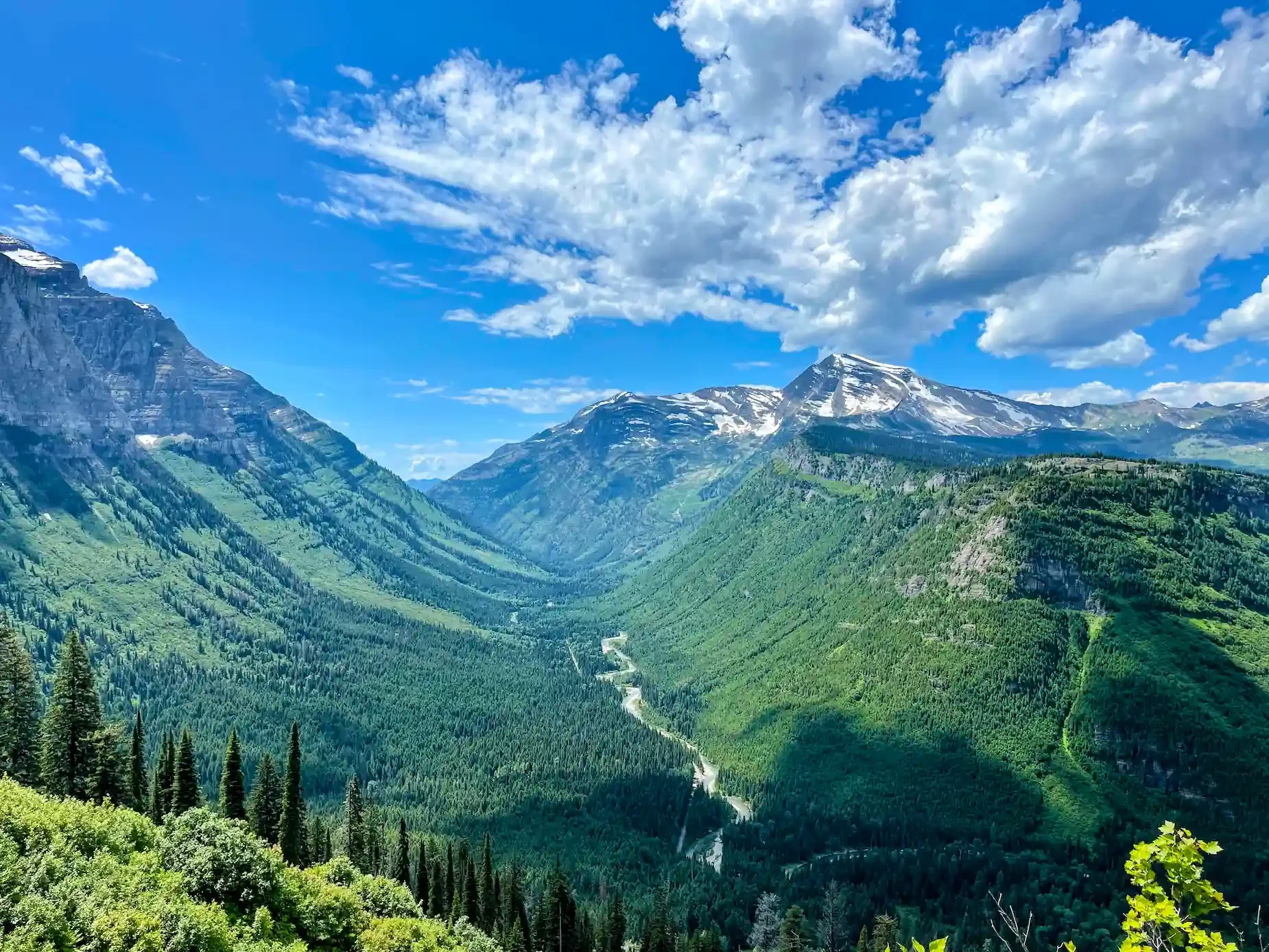
Towering snow-capped peaks, turquoise alpine lakes, incredible wildlife, and the legendary Going-to-the-Sun Road make Glacier National Park one of the most breathtaking places in the United States.
Located in northern Montana near the Canadian border, Glacier is famous for its rugged mountain scenery, scenic hikes, and crystal-clear lakes.
For first-time visitors, planning a trip can feel overwhelming. From choosing where to stay to understanding reservations and picking the best hikes, there is a lot to know before you go.
This complete Glacier National Park first-time guide covers everything you need to plan your Glacier adventure.
Why Glacier National Park is the Best of the West
For whatever reason, Glacier National Park seemed like the “Big Leagues”, the next step up after Grand Teton and Yellowstone.
It’s remoteness and geography seemed to belong more to the foreboding wilds of Canada, meant for mountaineers and true woodsmen, rather than SUVs filled with families and beat-up sedans driven by perpetual road-trippers.
We had over a full week off from our jobs working at a lodge in the Bighorn Mountains in Wyoming, and eagerly scouted out our long trek up through Montana towards the Canadian Rockies.
From the plains to the cities to the mountains, the entire ride northward was one long postcard, each breathtaking view immediately followed by another mesmerizing landscape.
Even if a seasoned park-goer or nature wanderer, the beauty of the Mountain State may still catch you off guard.
How to Get to Glacier
The drive up and across the great state of Montana began with remarkably flat stretches before rising into an incredibly diverse terrain that made the 8 hour drive a breeze.
We split our journey in half heading up, and our first 4 hours from the Bighorns to Bozeman was surprisingly sparse and level.
Nonetheless beautiful, the southern portion of the state was characterized by khaki grasslands and rolling plains stretching out far in all directions.
The Montana/Wyoming border east of Yellowstone does not have much to offer if one is not into nature.
As one heads northward and westward to the top right corner of the state, the terrain and elevation change rapidly, and one quickly realizes how the nickname “Big Sky Country” came into use.
After a night at the Bozeman Inn and some decent food downtown, we were off and rolling again towards Glacier National Park.
Cities Near to Glacier National Park
The drive was beyond mesmerizing in it’s other-worldly atmosphere.
Solitary mountains standing alone in the distance were often flanked by beautiful meadows in full June bloom.
The blue and grey hues of the slopes wonderfully contrasted the snow-white peaks, still chilled in the high altitude and late-spring air.
A bright yellow sea of flowers spanned out across the landscape, dotted by deep purple bulbs and loud pink petals.
Warm in the sun with a comfortable high of 65 for the day, we barreled down the road with the windows rolled down and a subtle speed of 90 MPH.
My girl never knew my tendency to always push the speed limit, with Montana being one of the tougher states to do this, given that number was often 85.
The rest of our ride took us around Lake Paulson and up past Kalispell, both as breathtaking and beautiful as Jackson, Wyoming.
The next stop was Glacier.
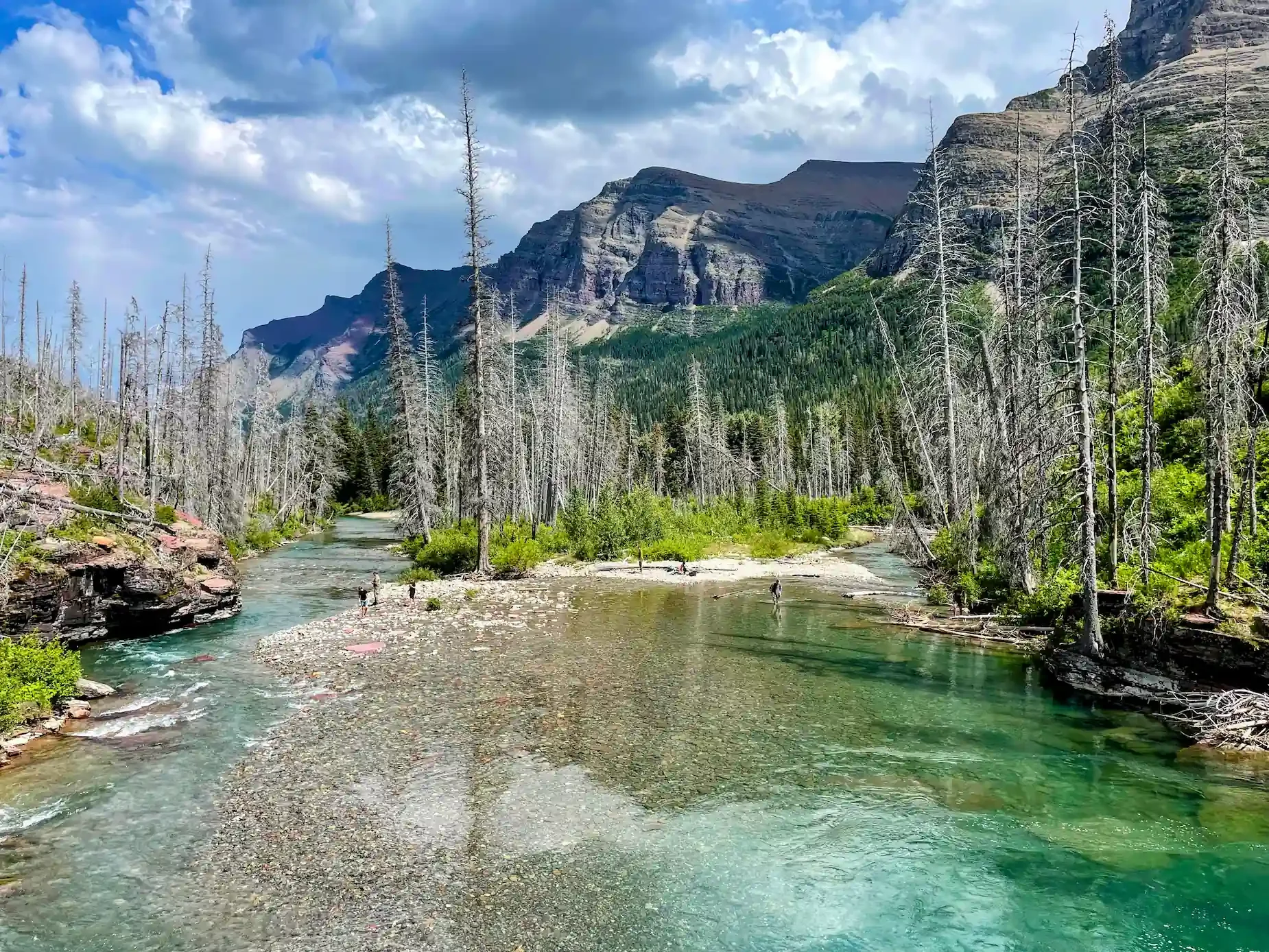
Going to the Sun Road; Reservations Required
When we finally arrived at the gates of the South entrance, just past the town of Whitefish, it was still mid-afternoon, and we had ample sunlight to set up camp.
If planning on visiting Glacier National Park, PLEASE be aware that visitors not camping overnight in the park will need to reserve an entry slot.
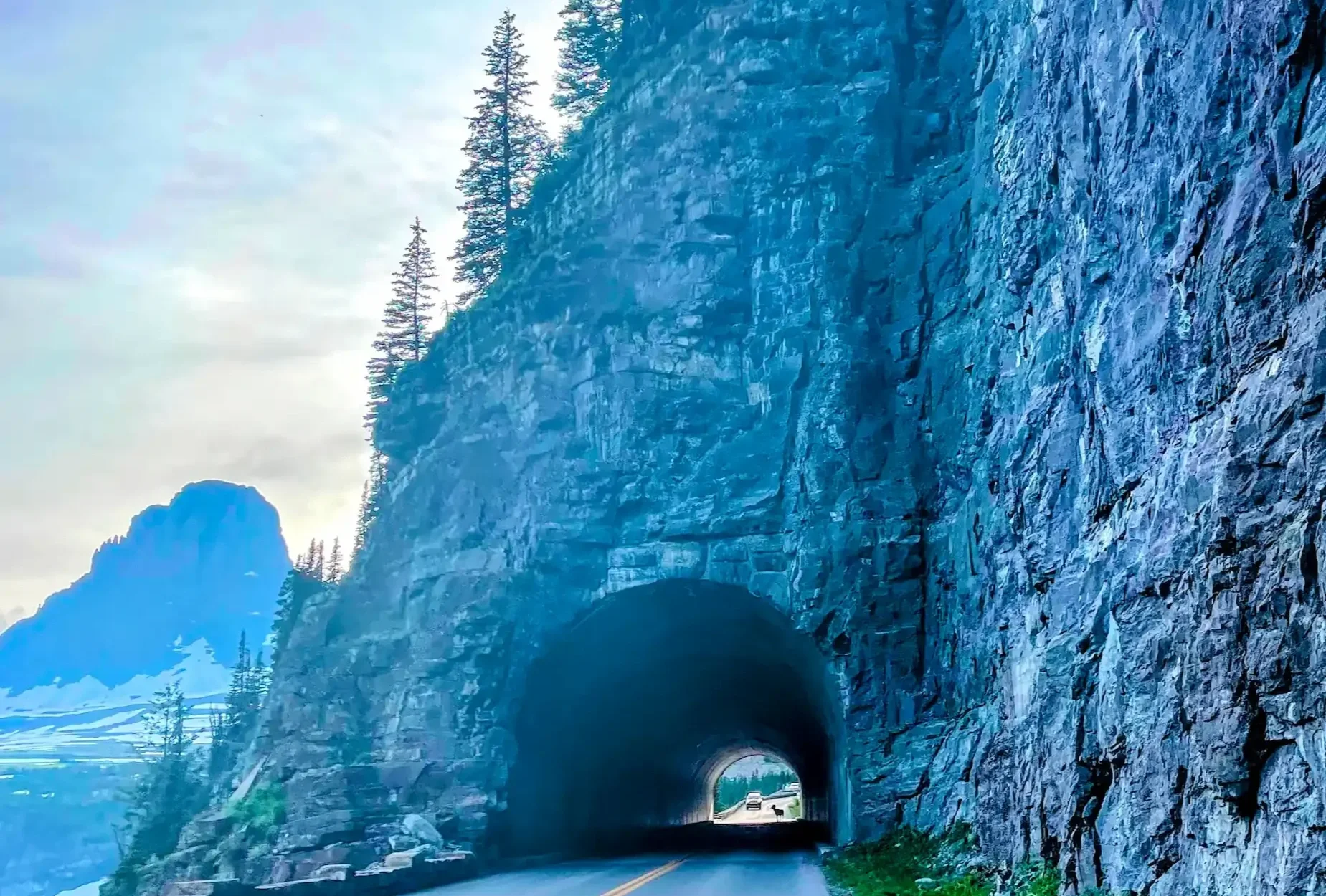
The instagram famous Going-to-the-Sun Road is the one and only road through the park.
People who are camping overnight in the park automatically have a permit to utilize the road with their car.
Day-visitors may not, which is why checking online in advance is crucial.
Unless you are an avid backcountry hiker, the Going-to-the-Sun Road is the only way to traverse the park.
All main attractions and short hikes are off of this roadway.
If your only planning for one day, do your research and reserve ahead.
You do not want to miss these views that outshine most other mountain ranges.
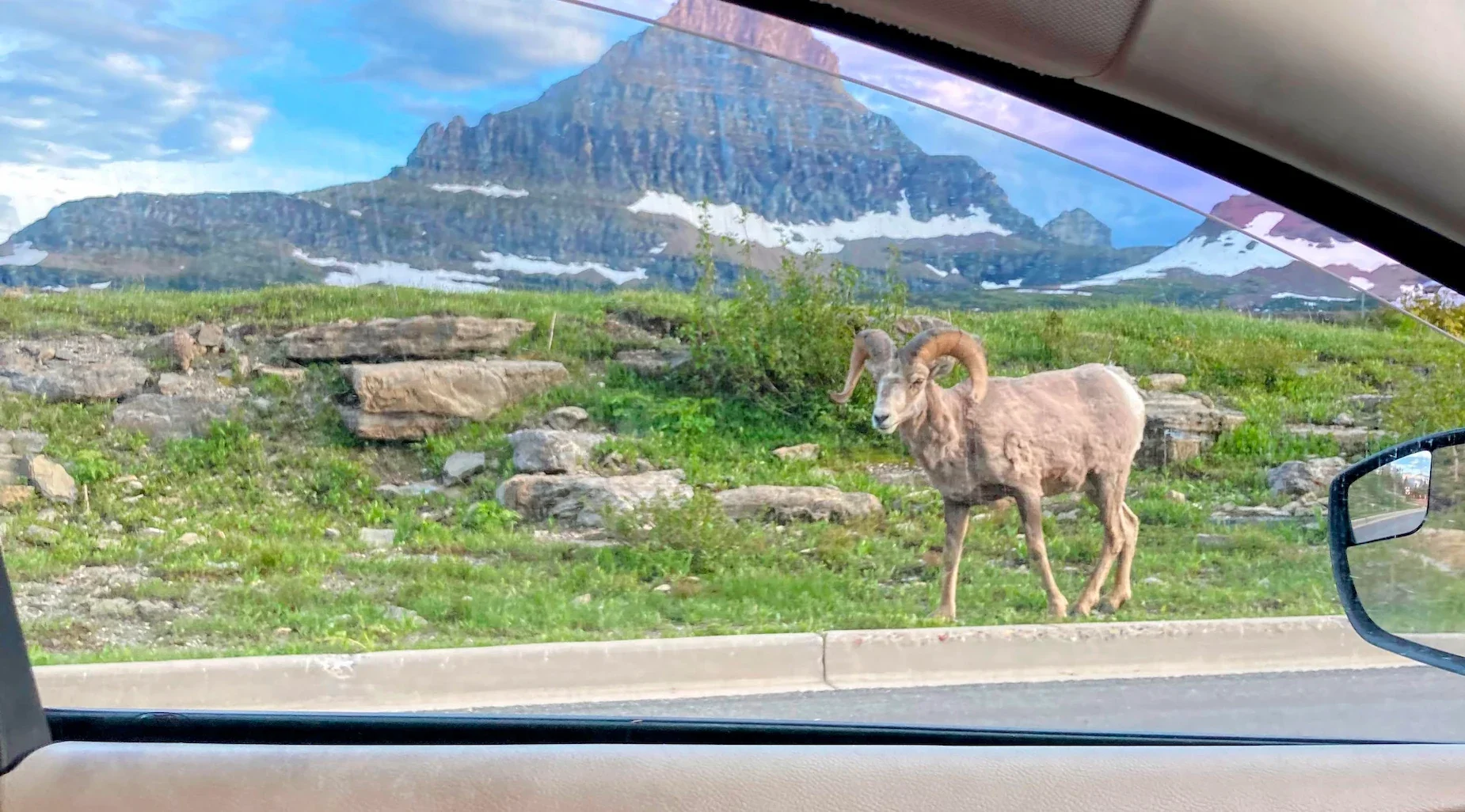
How Long Does it Take? What to Expect when Driving the “Going-to-the-Sun” Road.
When driving the Going-to-the-Sun road, the most important thing to account for is that, as far as roads go, that’s pretty much it for Glacier National Park.
Whichever way you go on this concrete artery, you most certainly will be traversing back at the end of each day.
Our campground, which was located right near the south entrance of the park, was not ideal in it’s proximity to the very start of the road.
It was 3 hours to the far edge of the park, which meant we had 3 long hours back at the end of each day.
Though the drive was very pretty amidst the setting sun, the fatigue from a day of hiking does make twilight driving all the more exhausting and at times stressful.
Sightseeing on the Way Back
On the flip-side, one knows they will have a second chance to see every attraction they pass on their way back.
It was nice knowing we would have another opportunity to stop at any sights that were too crowded on the first leg.
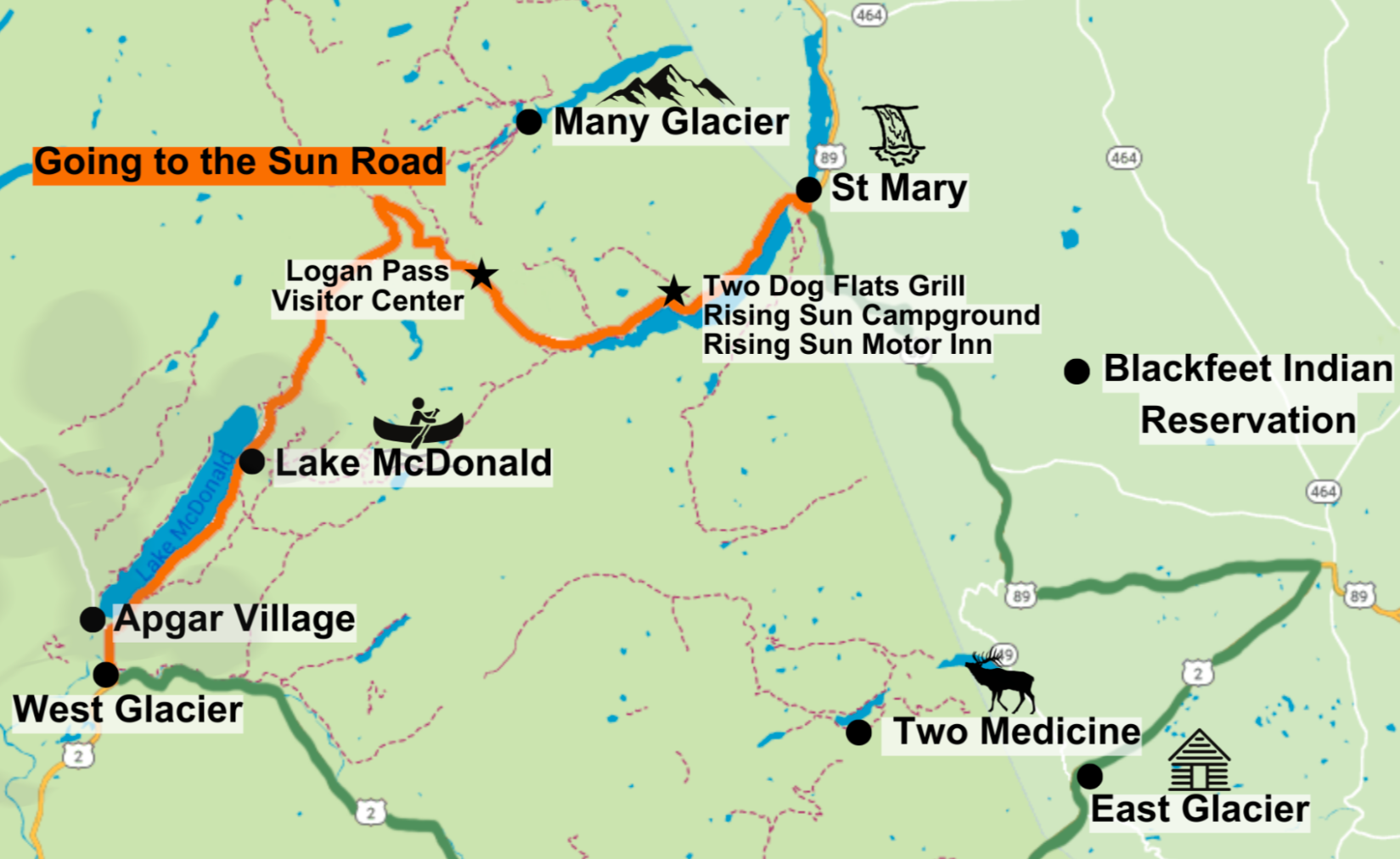
With that being said, any desire to explore beyond St. Mary (see map) will require an early morning departure, with time allotted for an entire day.
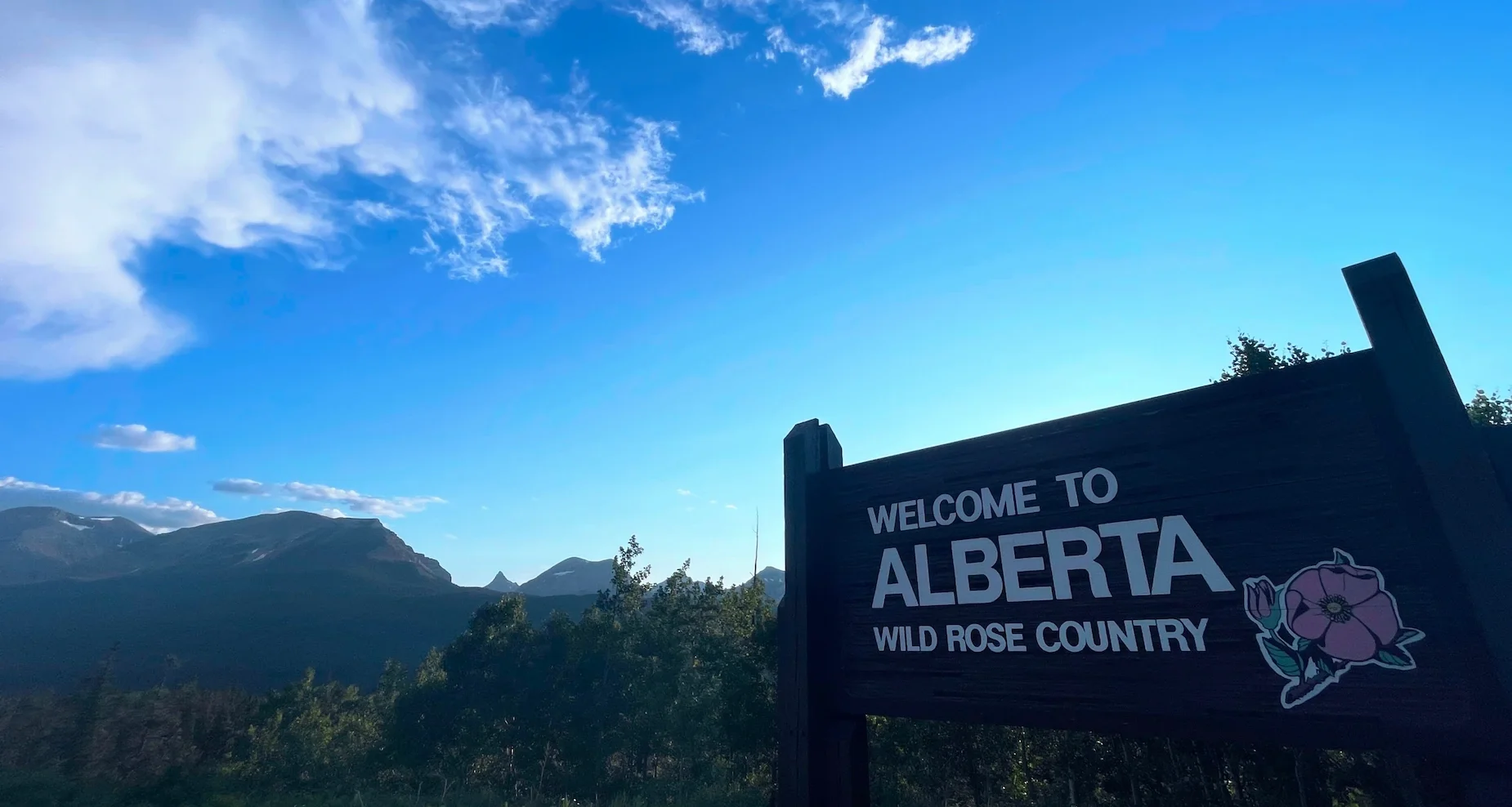
Of course, the option of heading up into Alberta and spending the night there is a viable one, and our spontaneity served us well in deciding to take that route.
More on Canada in a later article, though we will include our beautiful wanderings in Waterton National Park, just over the border from, but still connected to, Glacier National Park.
By going this route, and starting early in Alberta and working our way back South, we had the whole day to leisurely drive the one way back to the South Gate.
Where to Eat in the Parks
If unfamiliar with the faire in the National Parks, reasonable expectations are required for what to anticipate, and what to bring with you.
If you are camping, even for the first time, you may want some reliable recipes like fire-roasted hotdogs or instant noodles on a stern-o.
Having already made a disappointing attempt at cooking a more proper meal while in the Tetons, we did frequent a few restaurants throughout Glacier.
Though we failed to snap pictures, the meals were a 6/10, plain and simple.
The dining rooms in the occasional eatery dispersed along the Going-to-the-Sun road were modest, rustic, and staffed with college kids on a summer adventure.
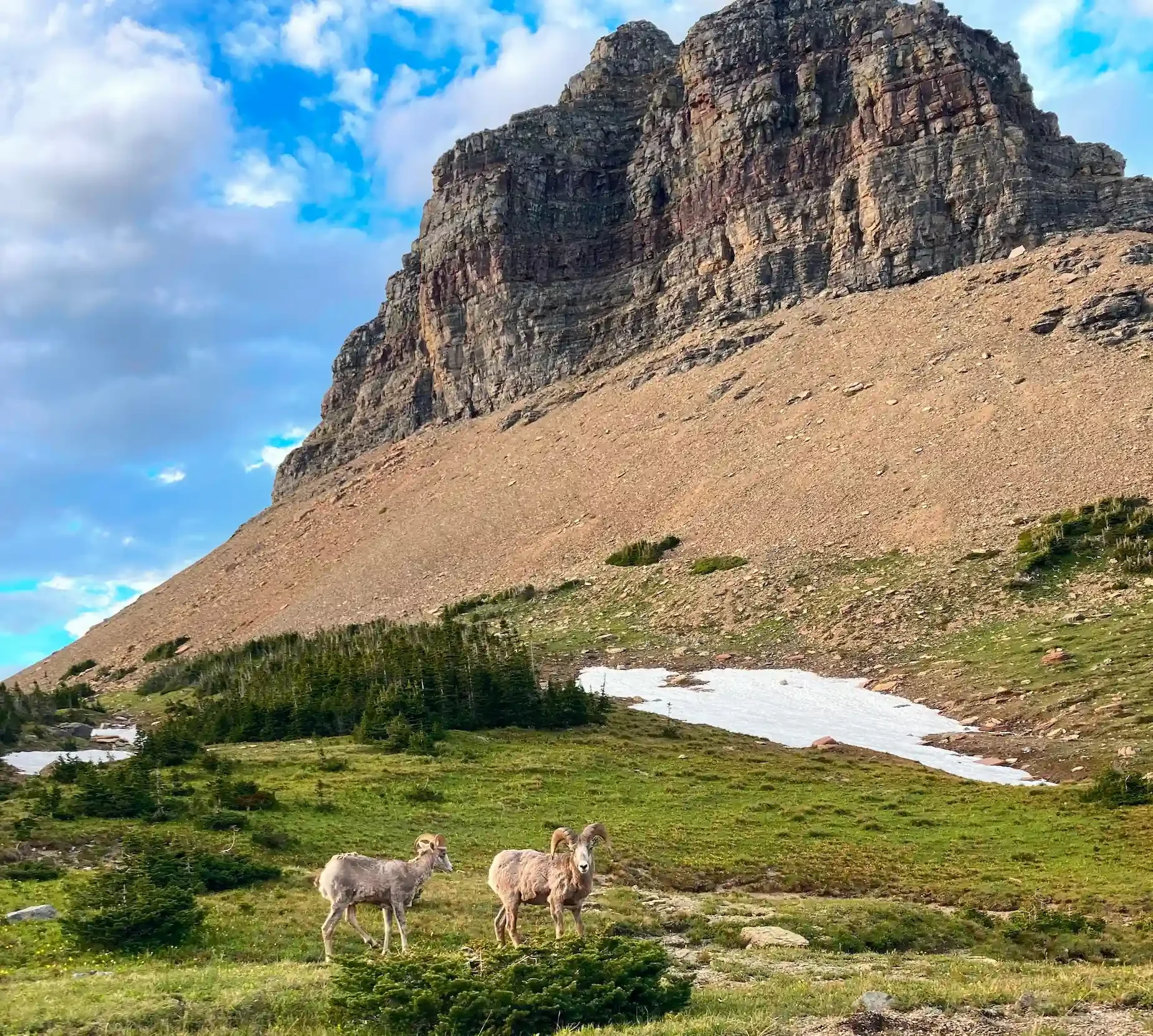
Fine to Dine In
The service was adequate, the food hot, and the prices irrelevant, as there is no other option out there (though I do no remember them to being too exorbitant).
Standard cheeseburgers, chicken breasts, and regional rainbow trout were a few of the delicacies offered, and all were adequate enough to keep us going on our long days in Glacier.
As always, there will be general stores selling campsite food and cooking accessories, with dehydrated meals in pouches and aforementioned weenies.
Assume any store you see on a map closes at 5:00PM, as they show all of the locations but not the hours of operation.
You will be astonished how quickly the end of the day sneaks up on you, making for some sad campfire nights when not adequately stocked up on s’mores and jerky.
Top Stops in Glacier
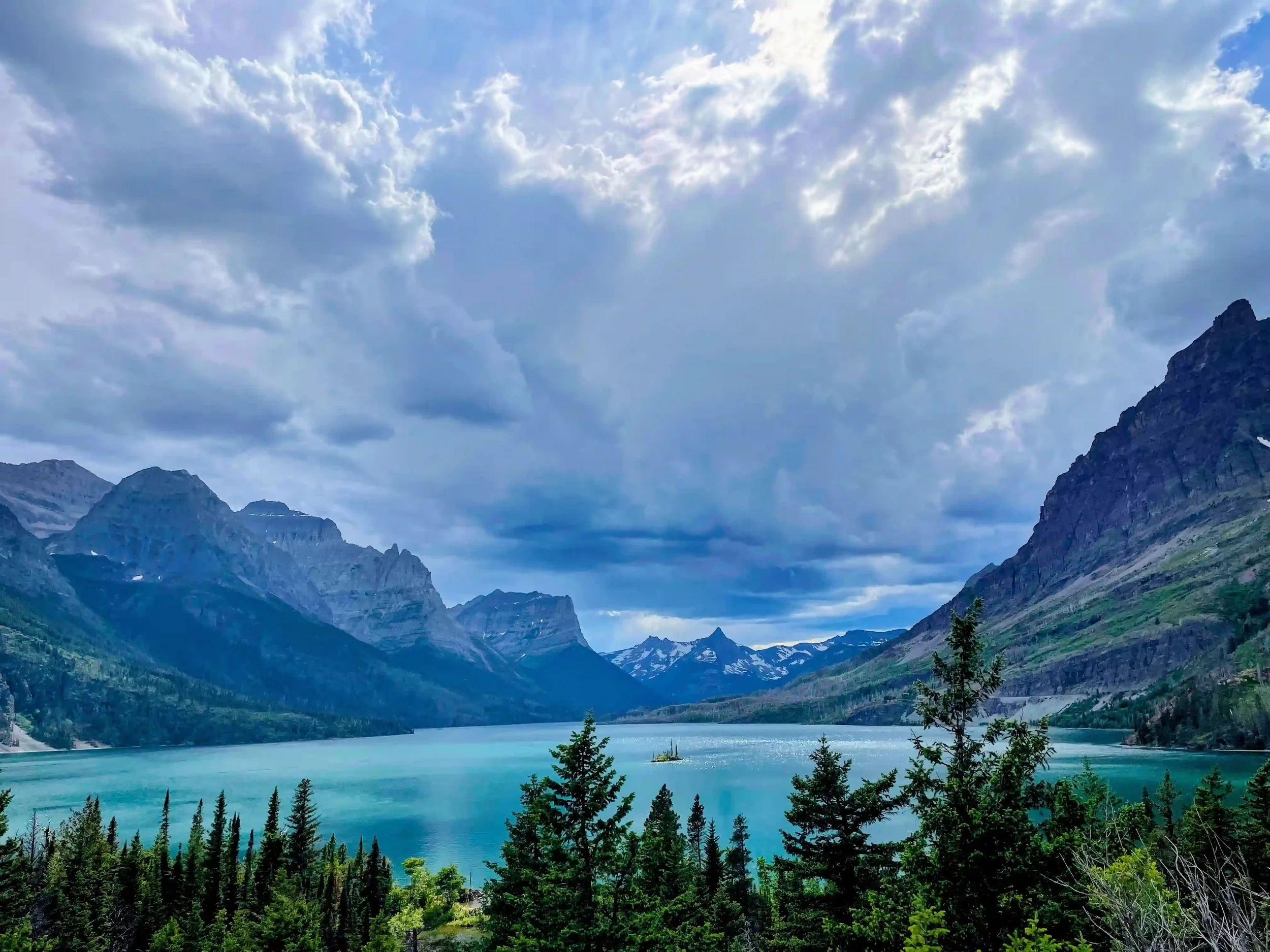
Lake McDonald
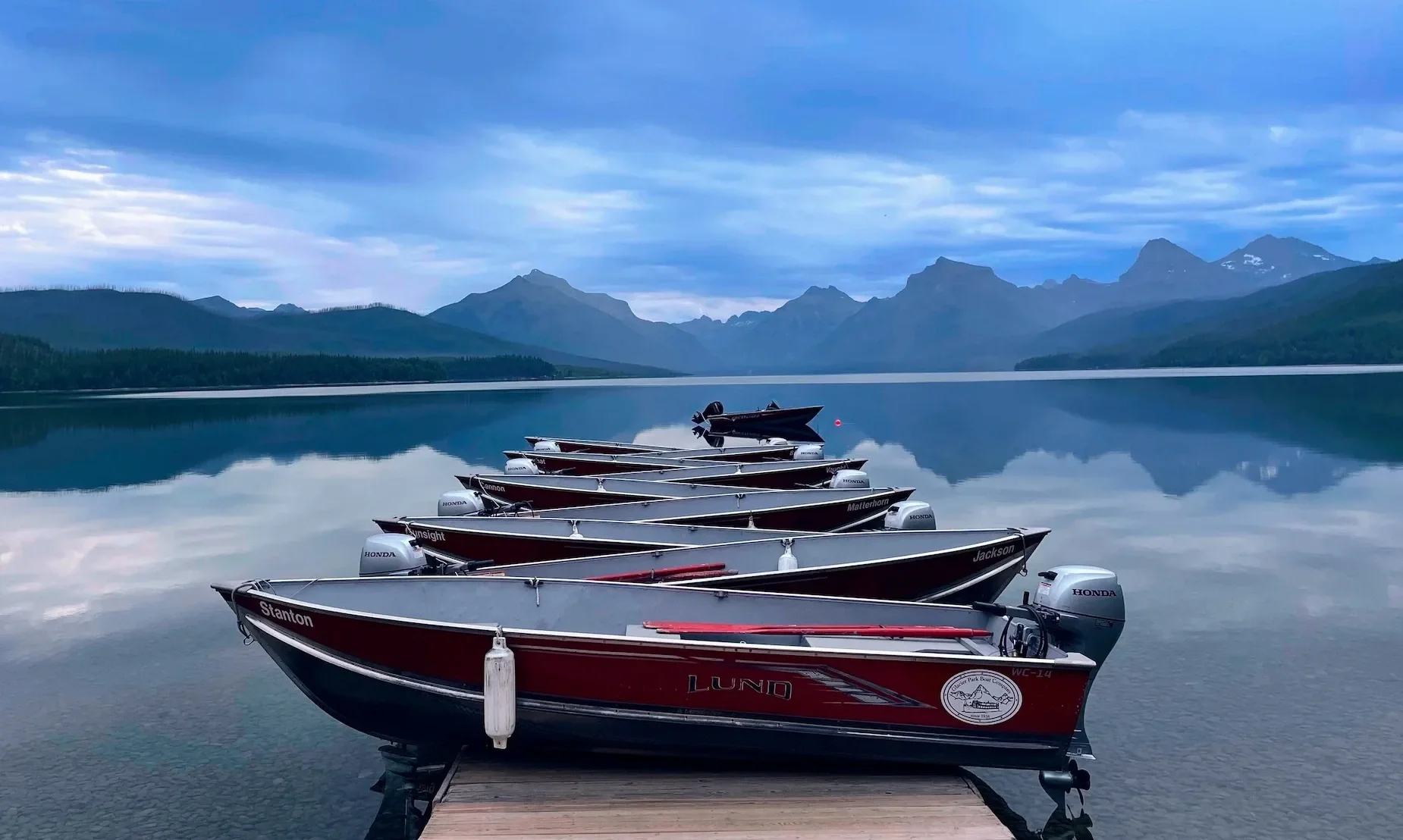
Located right near the entrance of the South Gate, Lake McDonald is host to a campground, restaurant, and general store, as well as several options for kayak and small boat rentals.
Being there in the chilly days of early June, we skipped any waterborne activities and instead explored it’s serene shorelines and shoals.
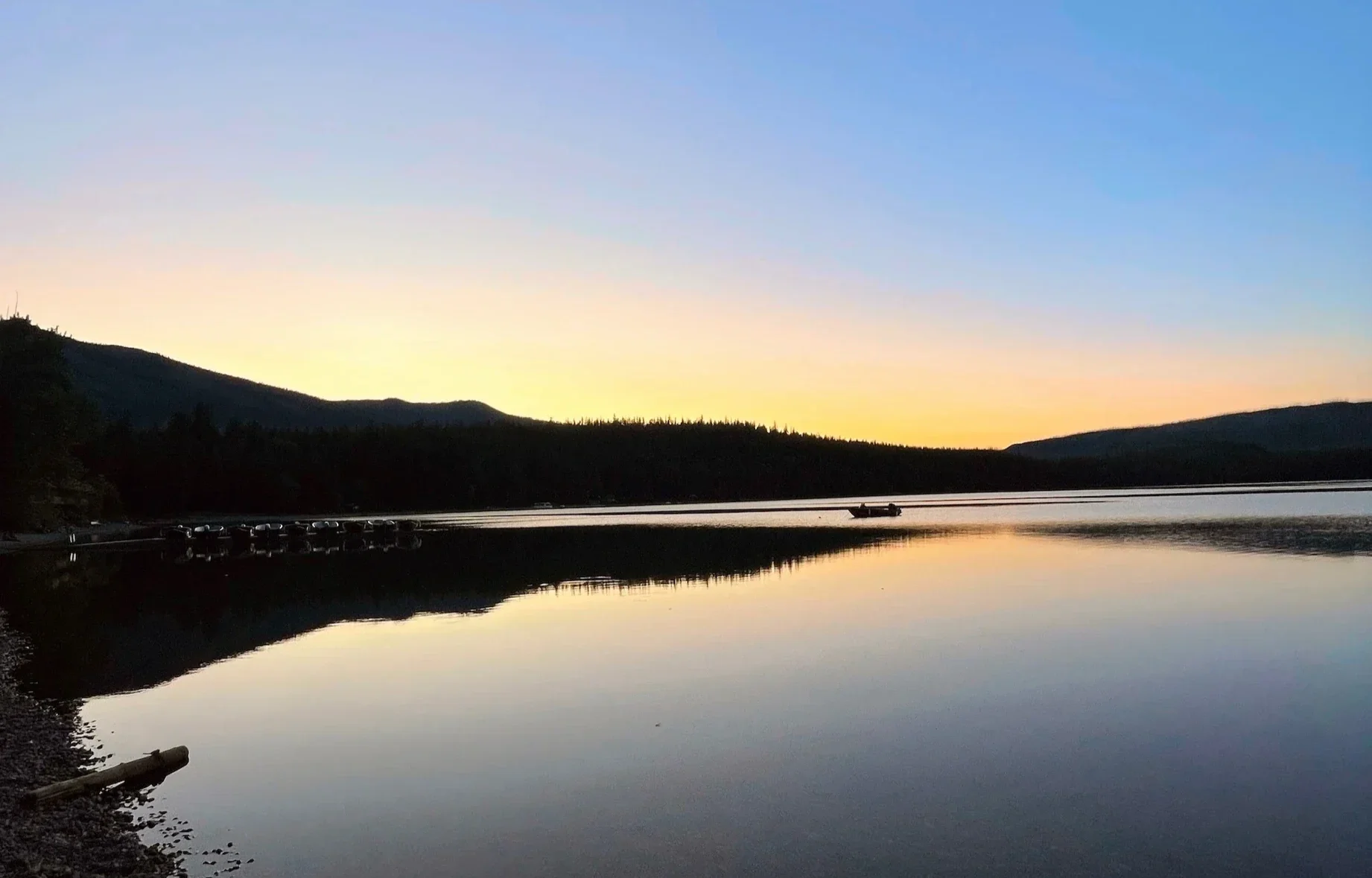
The most striking feature was the glass-like nature of the lake, and the stillness felt when gazing out across it’s waters.
Sunsets and sunrises are particularly breathtaking, and the store at Lake McDonald was a great place to stock up on supplies for the day before the long jaunt up Glacier’s sole road.
Logan Pass
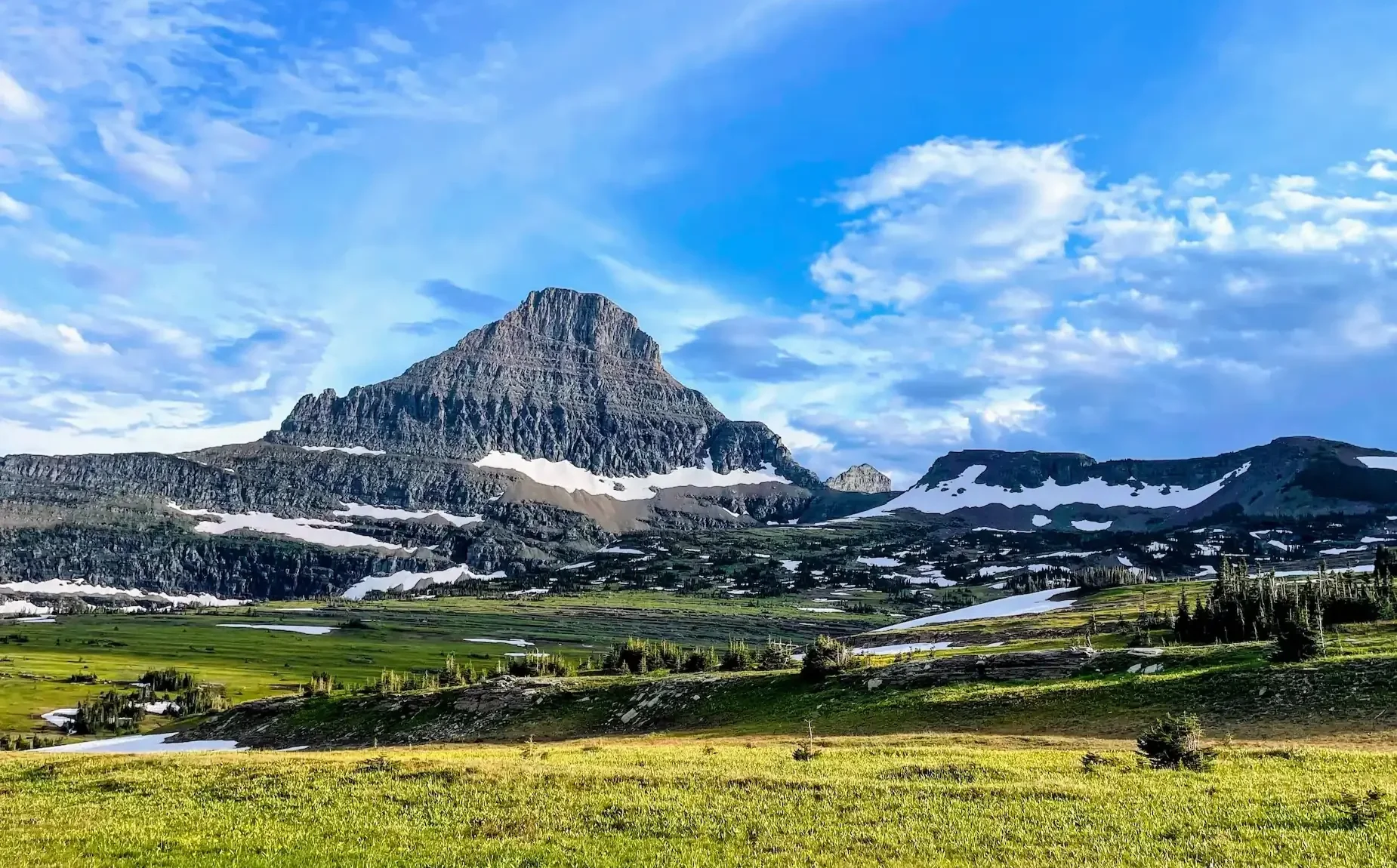
Situated on the continental divide, Logan’s Pass is the highest point in the park and one of the busier stops in Glacier.
The easiest trail, Winds Cave, is 3.5 miles (5.2 km) roundtrip, while more serious hikers can access longer, more strenuous routes that snake far back into the real wilderness of the Rockies.
The real issue here, however, is the parking.
The modest parking lot with a finite number of spaces was a scene of desperate looping and the tense scanning of cars potentially backing out… but to no avail.
We decided, after 10 minutes of laps, to keep heading north, and see if we couldn’t find better luck on our way back down.
We did, and with the sun setting, enjoyed a brisk walk while taking in spectacular views of the mountains, ridges, and valleys that flowed down from the divide.
If into hiking, Logan’s Pass is the spot.
Saint Mary Falls
Located roughly 40 minutes from Logan’s Pass, Saint Mary Falls is an excellent trail for taking in the beauty of Glacier National Park off the road.
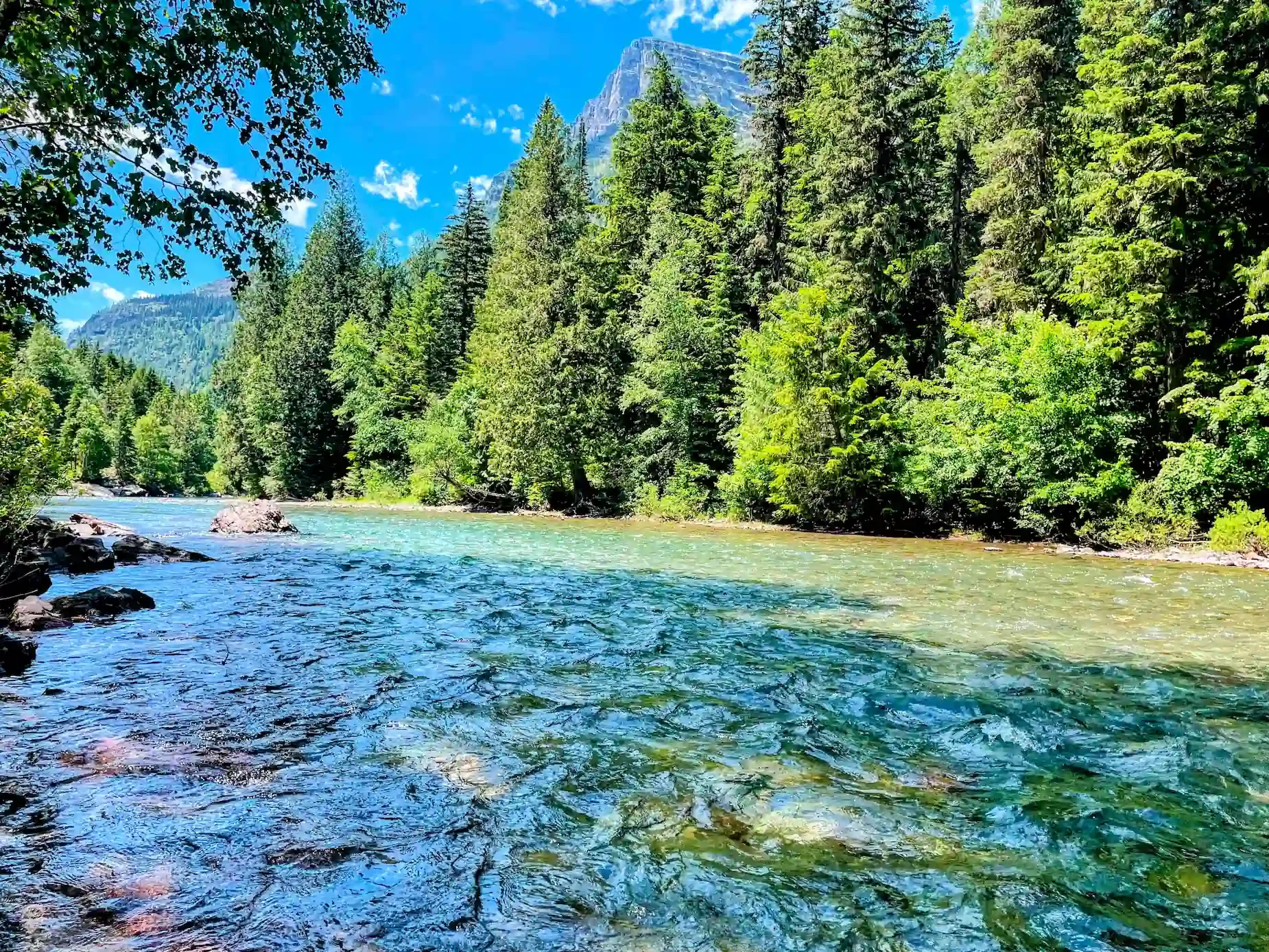
The 2 mile roundtrip route takes you through gentle streams and even gentler woods.
The snow-packed peaks, unobscured in the gorgeous June weather, towered high into the big skies of northern Montana.
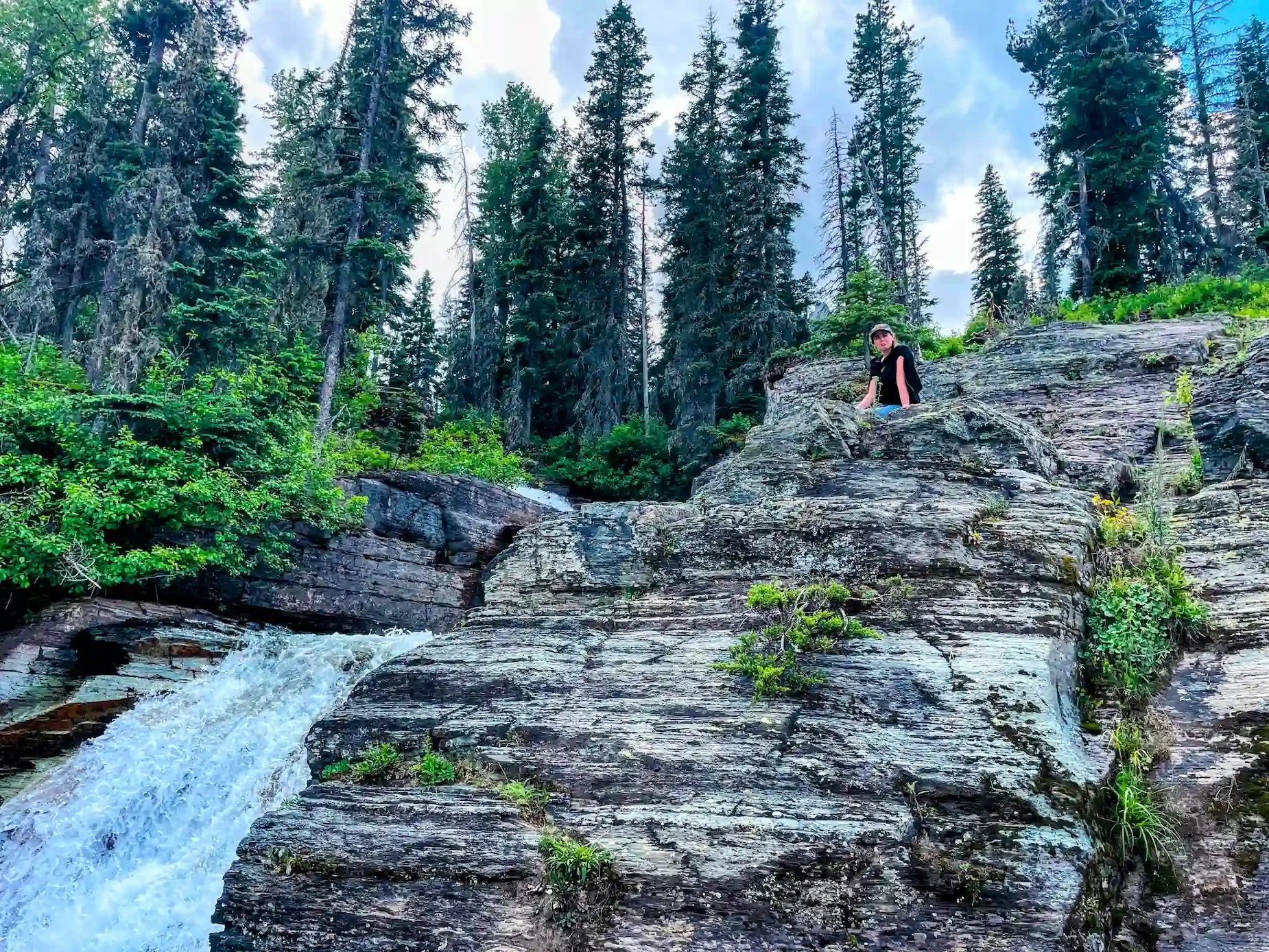
The trail does not change in elevation too drastically, and leads to the titular waterfalls which raged with the late spring snowmelt in full deluge.
Extra socks are not necessary, but can make for a comfortable walk back in case your feet are submerged in shallow river beds or, as was the case with us, scampering around smaller falls.
Well worth the cold feet.
Glacier National Park
The sheer size and scale of Glacier National Park makes it one of the most intimidating, and rewarding, in all of the parks found in the lower 48.
The berth of the mountains, the depths of the valleys, and the piercing greens and whites of the peaks and trees all serve as a testament to the grandeur of the landscape of the United States.
On the Canadian side of the border, in Waterton National Park, can be found equally stunning lakes and ranges that will require their own article.
Regardless, the highs and lows of the mountains and valleys that snake their way up from Montana to Alberta will be some of the most breathtaking views you ever take in.
Just be sure to top off the tank (and if not camping, make those reservations) for the Going-to-the-Sun Road.
It may be one of the most beautiful drives you ever take.