Porto Travel Guide: Best
Areas to Stay & Things to Do
Find the best neighborhoods, top attractions, scenic viewpoints, and local food to help you plan the perfect trip to Porto.
Jump To
Perched along the Douro River in northern Portugal, Porto has quickly become one of the most popular coastal cities in Europe—and after visiting, it’s easy to see why.
Known for its colorful riverside neighborhoods, historic architecture, and laid-back atmosphere, Porto offers a slower and more authentic alternative to larger European destinations.
Whether you’re searching for the best things to do in Porto, where to stay, or planning a Portugal itinerary, the city blends old-world charm with scenic viewpoints, café culture, and some of the most walkable streets in Europe.
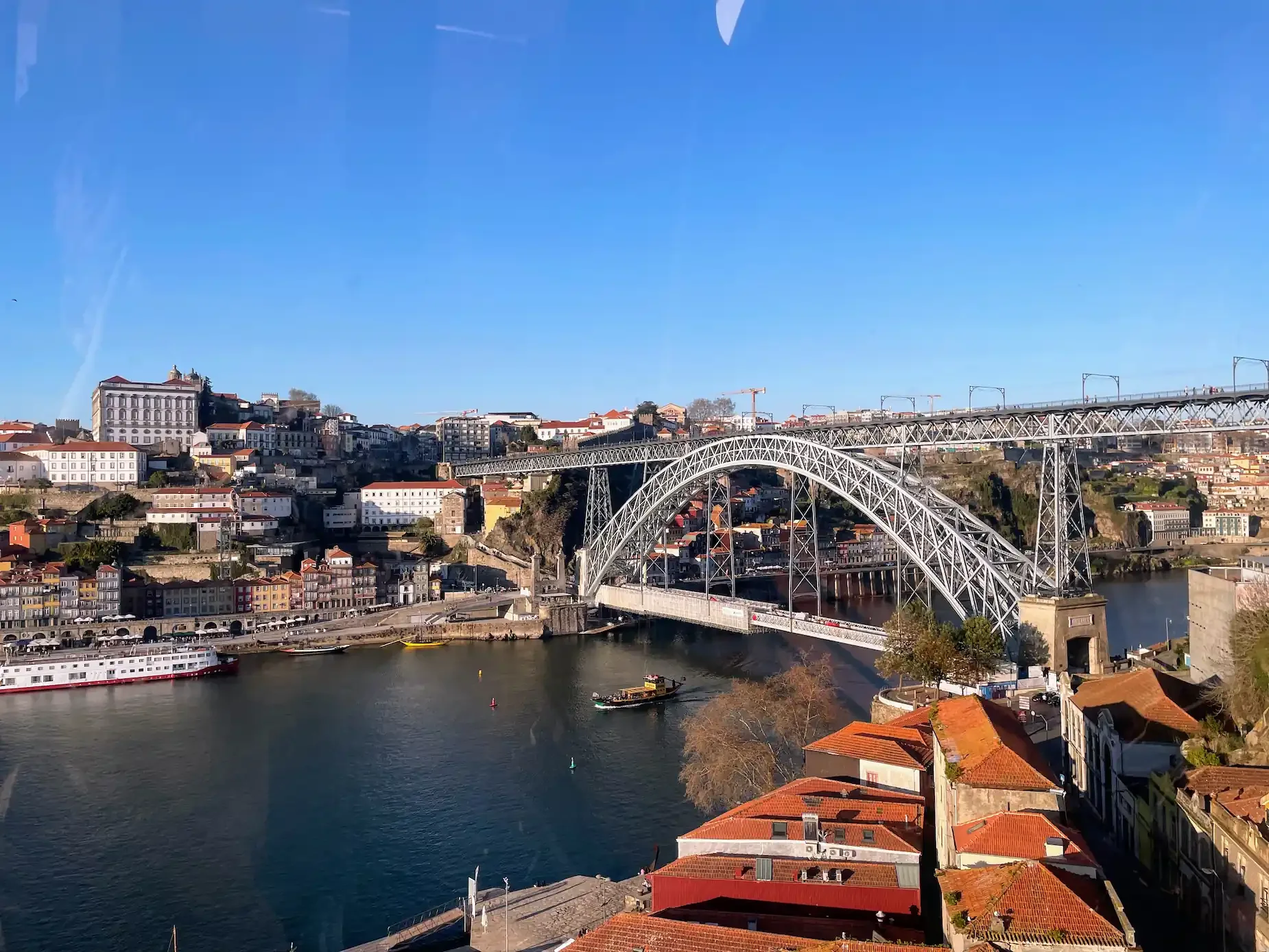
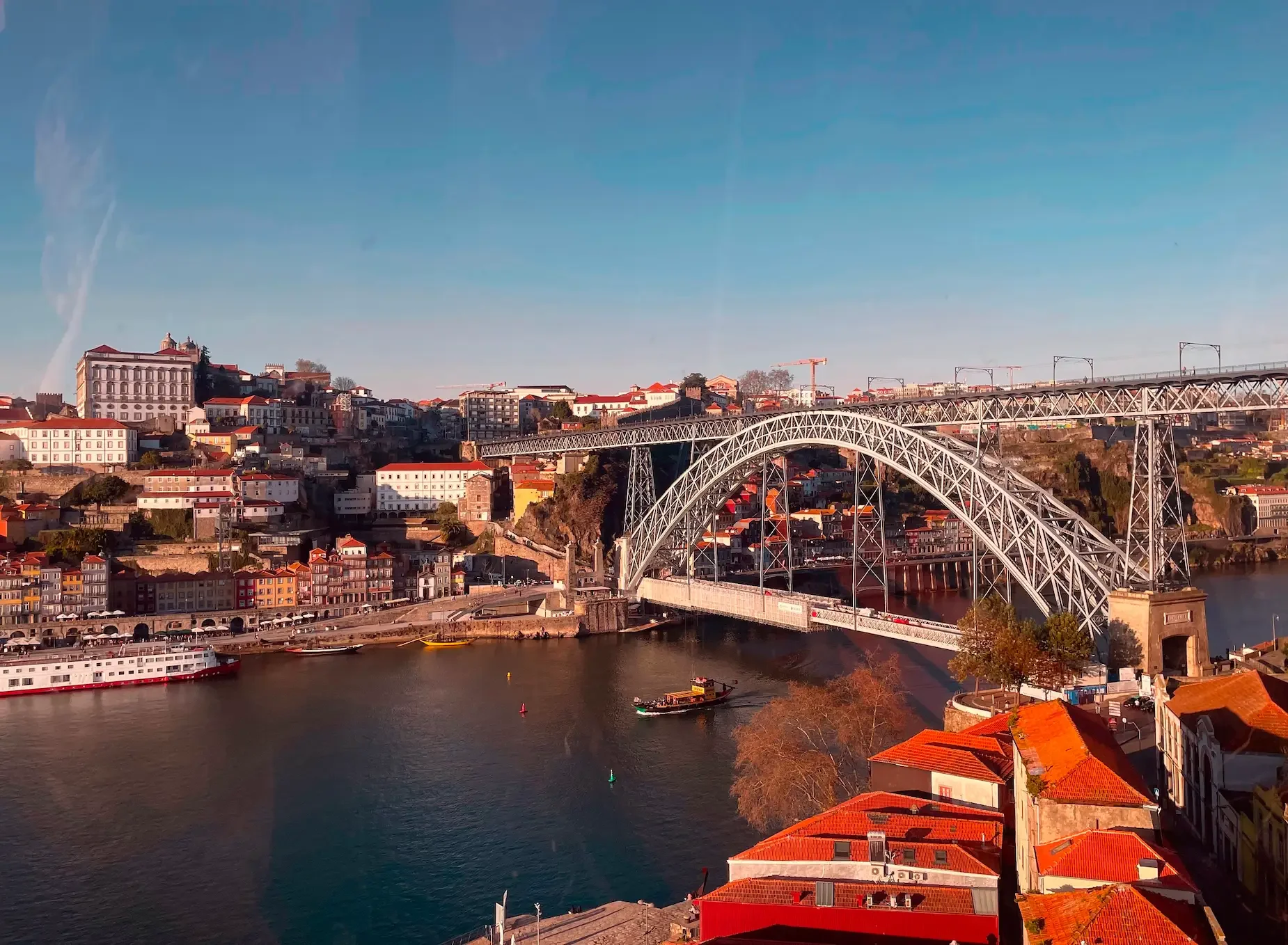
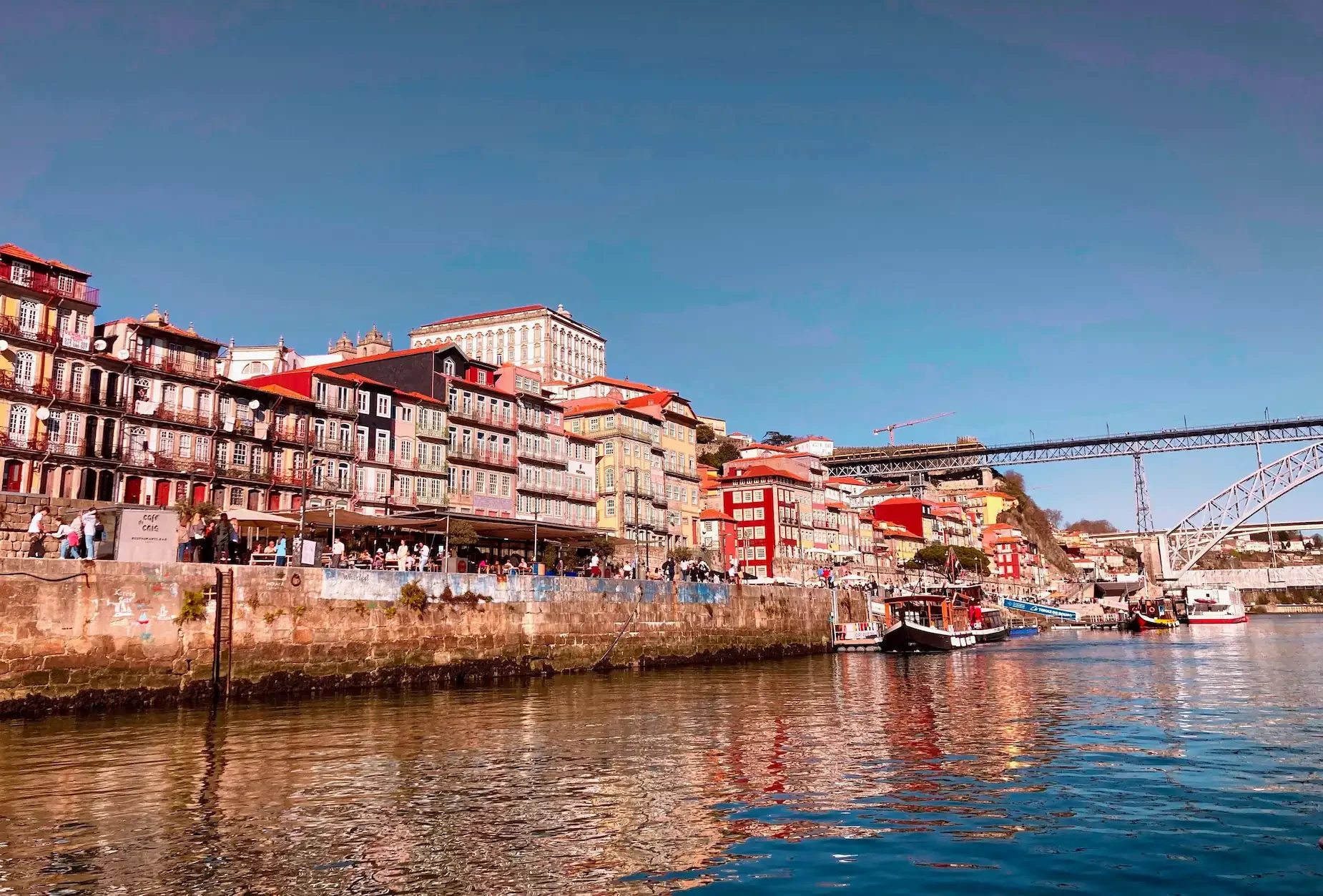
From the iconic Dom Luís I Bridge to the waterfront cafés of Ribeira, Porto feels effortlessly beautiful without trying too hard.
Perched along the Douro River in northern Portugal, Porto has quickly become one of the most popular coastal cities in Europe—and after visiting, it’s easy to see why.
Known for its colorful riverside neighborhoods, historic architecture, and laid-back atmosphere, Porto offers a slower and more authentic alternative to larger European destinations.
Whether you’re searching for the best things to do in Porto, where to stay, or planning a Portugal itinerary, the city blends old-world charm with scenic viewpoints, café culture, and some of the most walkable streets in Europe.
From the iconic Dom Luís I Bridge to the waterfront cafés of Ribeira, Porto feels effortlessly beautiful without trying too hard.
The Seaside Charm of Porto: Western Europe’s Coastal Gem
Nestled on the northwest coast of Portugal, the city of Porto is a burgeoning destination filled with quintessential European charm and panoramic views.
After spending a few days in Lisbon, we rented a car and, in just four short hours, arrived in this quaint yet bustling city by the sea. We were glad we took the time to explore Portugal’s capital before venturing up the coast.
Having lived up and down the East Coast of the United States, I’ve seen my fair share of stunning Atlantic seaside cities. Even with high expectations, Porto completely exceeded them.
With its antique architecture and eclectic culture, it stands out as one of the most beautiful coastal cities I’ve ever visited—a place that won’t stay under the radar for long.
How to Get to Porto
In an effort to see more of the Portuguese countryside—and hopefully stop in a few tiny towns along the way—we decided to rent a car and hit the highway after mapping out an easy route.
If you prefer to fly, flights from Lisbon typically range from $50–100 depending on the time of year, with a gate-to-gate travel time of about one hour.
Trains are another great option. They run regularly from Lisbon’s central Rossio Station, with tickets averaging around $25 and travel times of roughly three hours.
No matter how you choose to get there, Porto has a way of immediately putting you at ease. It’s a modest city—overwhelming only in terms of its beauty—where laid-back crowds and quiet cafés hum with hot drinks and wandering travelers.
Where to Stay in Porto
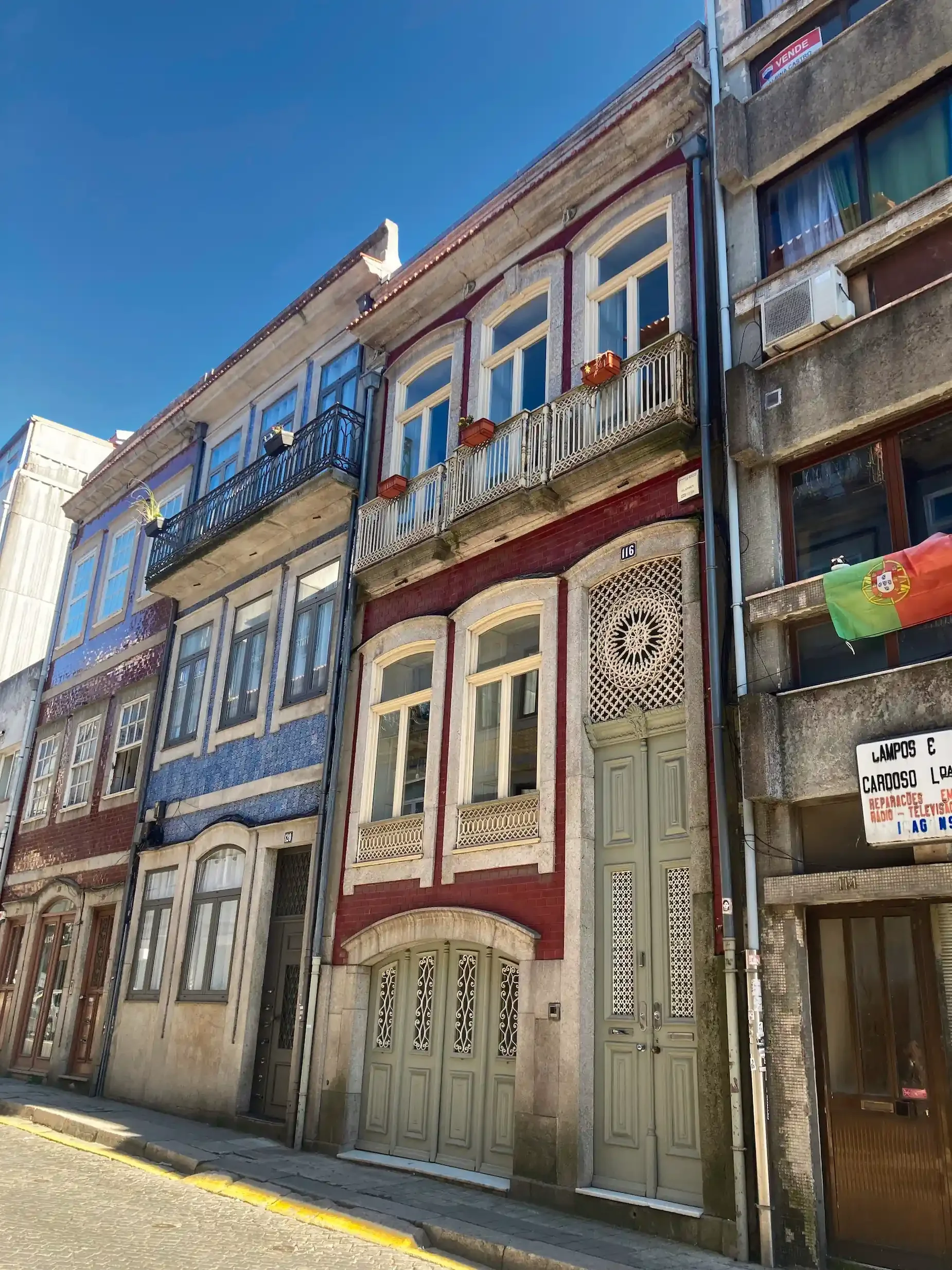
Porto is an incredibly walkable city, making it easy to explore no matter where you choose to stay.
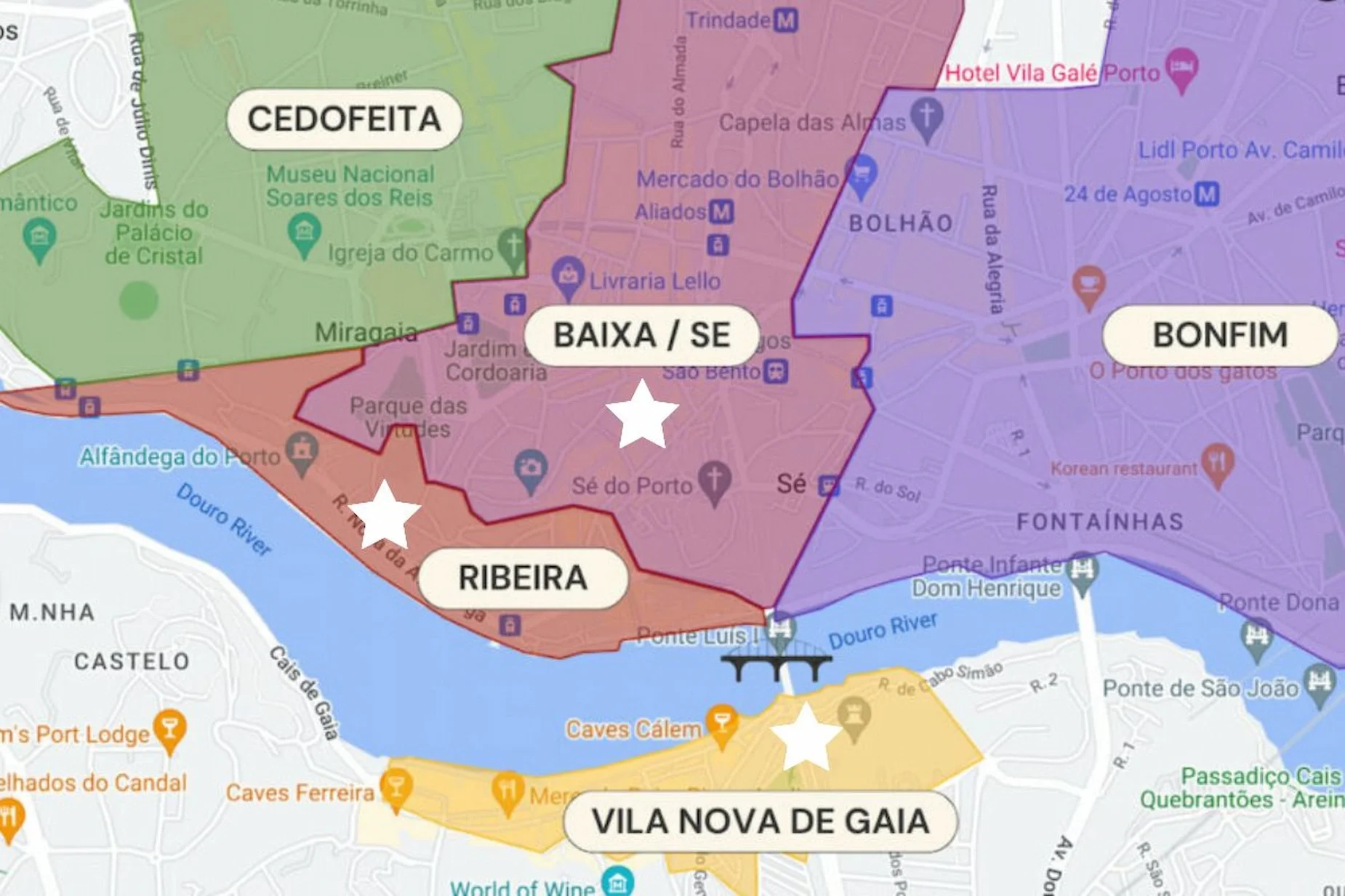
The most popular neighborhood is Baixa, the centrally located heart of the city. Staying here gives you easy access to Porto’s top sights, along with many of its best shops and restaurants.
We opted to stay a few blocks east of the city center in Bonfim, a quieter neighborhood with charming streets and more affordable accommodations. It felt a bit more local while still being close enough to everything.
For those looking to be right on the water, Ribeira and Vila Nova de Gaia are hard to beat. These picturesque waterfront areas come at a higher price point, but the views along the Douro River make it well worth the splurge.
What to Do in Porto: A Short Guide
While many European cities are known for their long lists of museums and must-see landmarks, one of Porto’s biggest draws is something much simpler—the experience of just walking around.
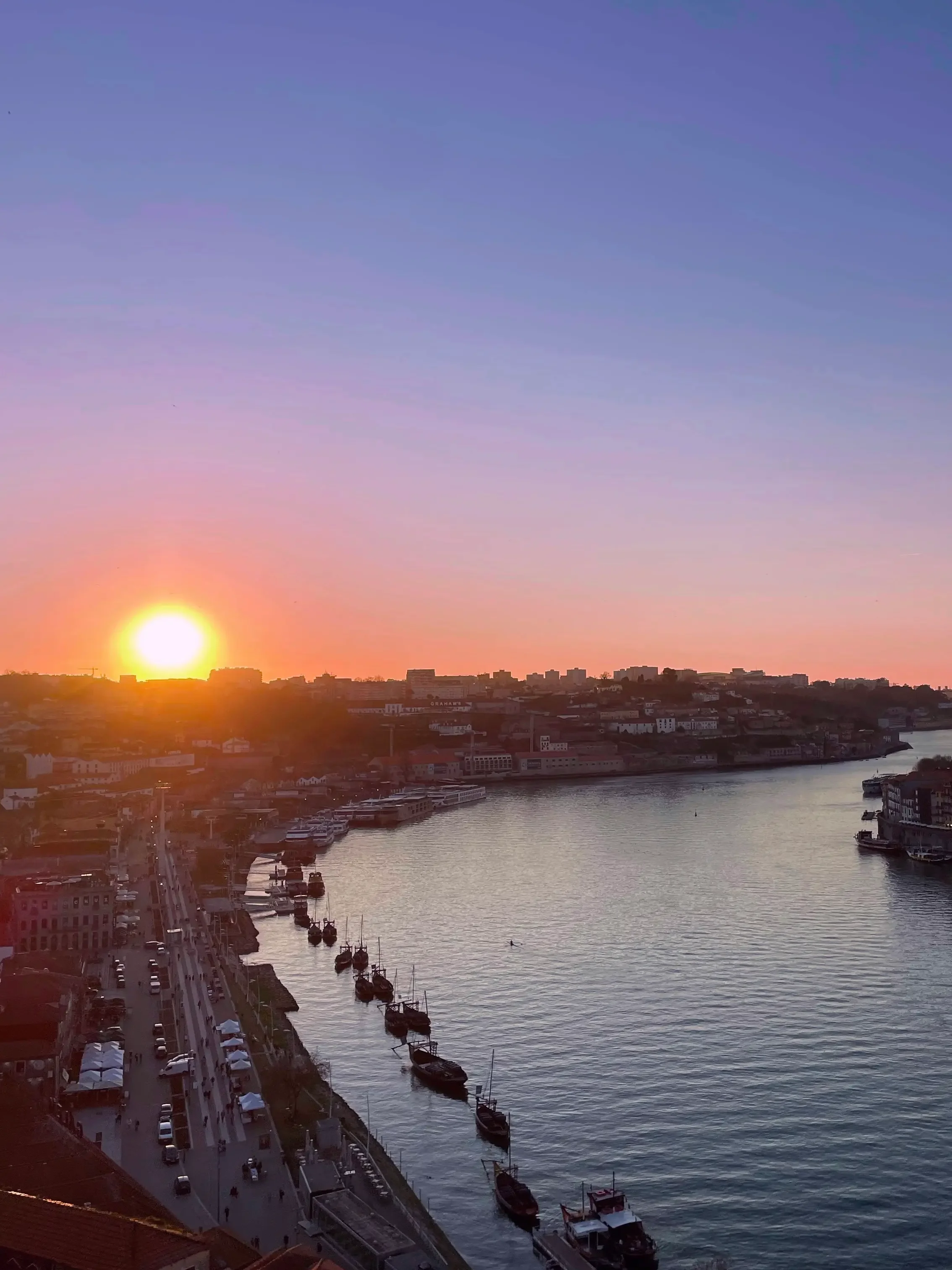
Set along both banks of the Douro River, the city offers stunning viewpoints from nearly every corner of its main tourist areas. It’s the kind of place where you don’t need a strict itinerary to be impressed.
One of the best ways to take it all in is on foot. You can easily walk the length of Ribeira along the water, cross the iconic Dom Luís I Bridge, and make your way down through Vila Nova de Gaia—all in about an hour.
Along the way, you’ll find countless cafés and restaurants lining both sides of the river. It’s the perfect setting to pause for an espresso or an Aperol Spritz while soaking in the views.
A wide-windowed trolley, part of the city’s public transit system, also runs across the bridge and offers the same incredible views from the comfort of a cushioned seat.
Top 5 Sites to See in Porto
1. Mosteiro da Serra do Pilar & Dom Luís I Bridge
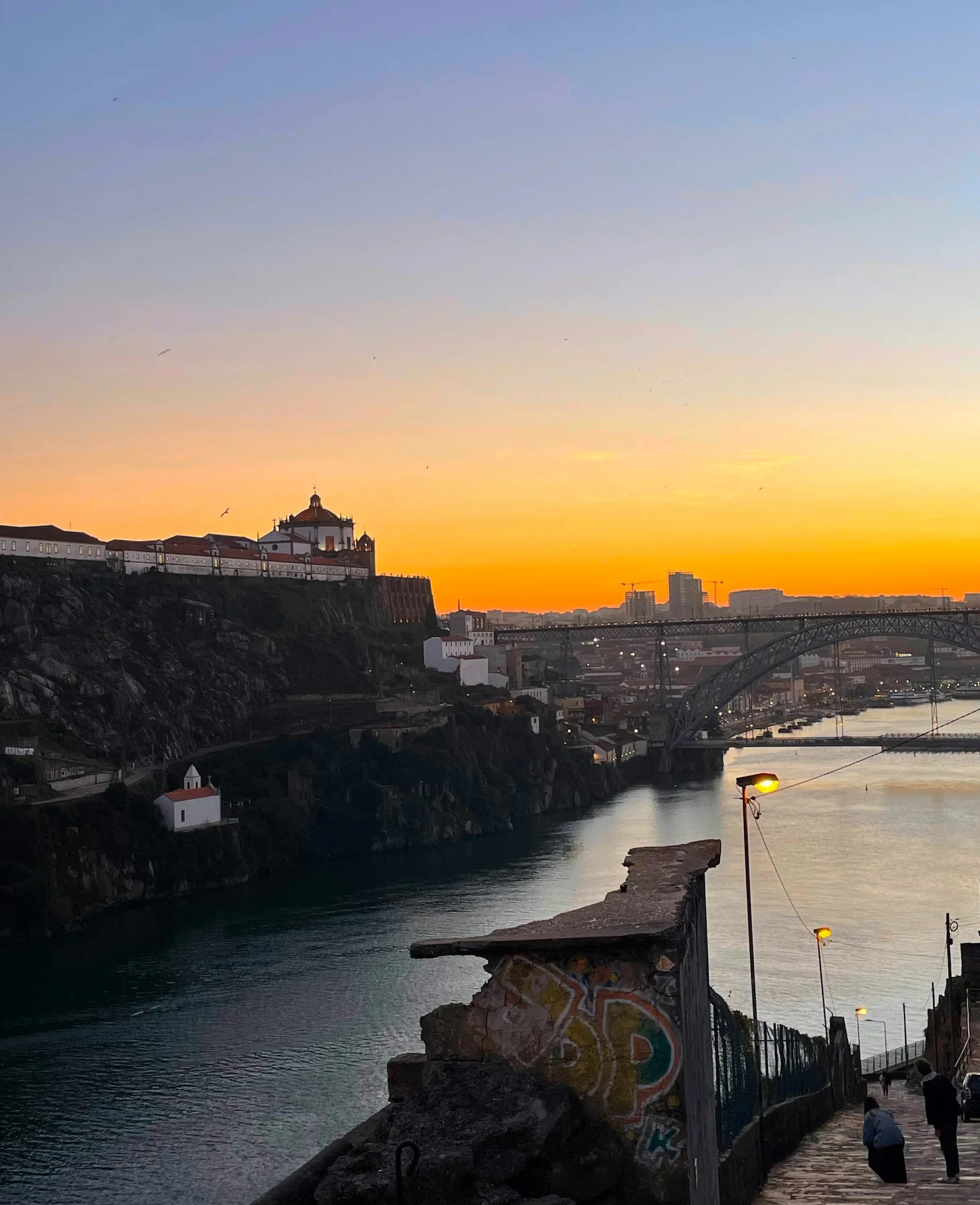
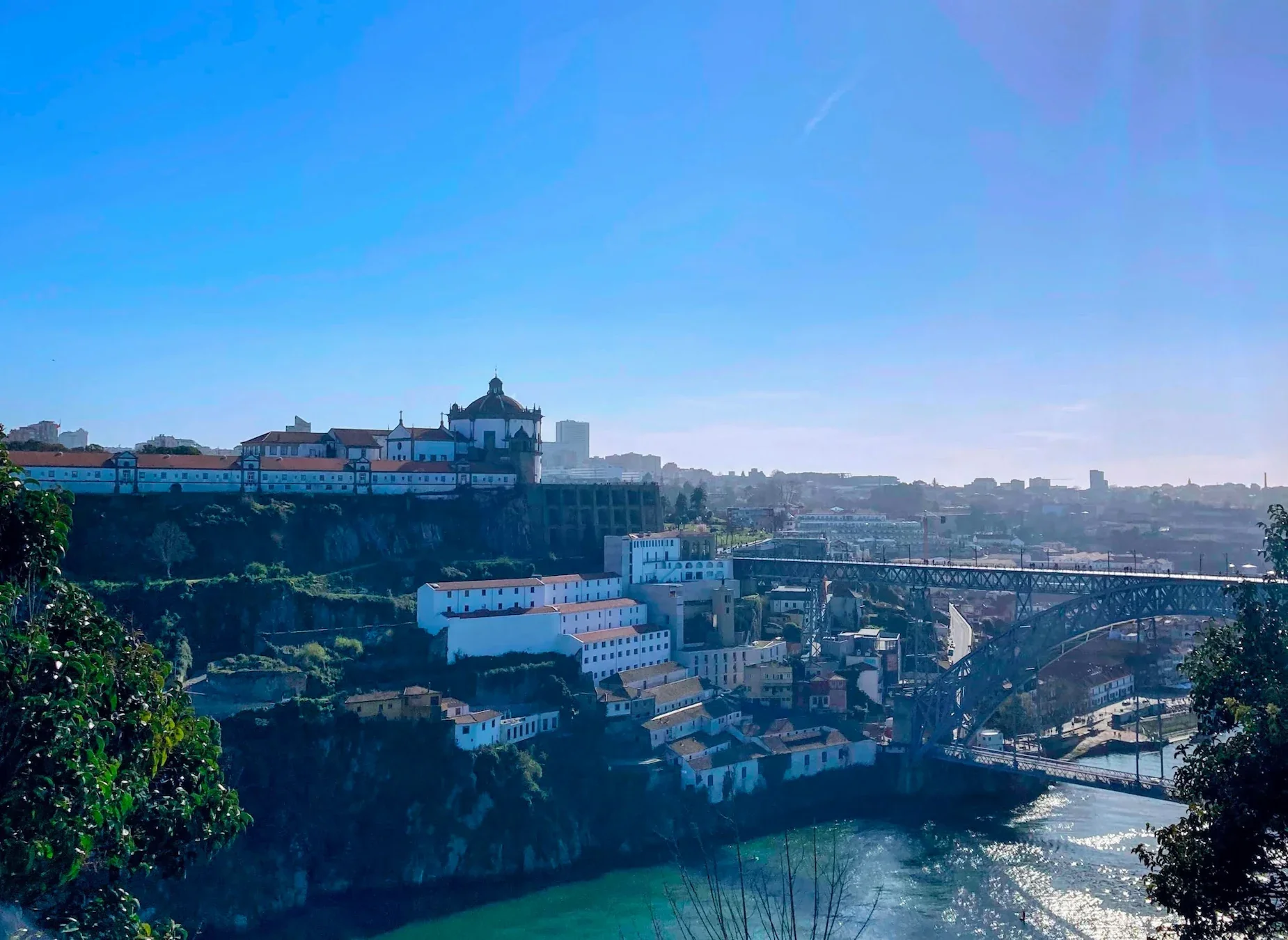
Perched high above the Douro River, the Mosteiro da Serra do Pilar dates back to the 1500s and offers some of the best panoramic views in all of Porto.
The elevated position makes it one of the top spots in the city for photos, with sweeping views of the Dom Luís I Bridge and Porto’s colorful skyline.
The surrounding park is just as enjoyable as the landmark. Wide, open spaces and grassy patches make it perfect for a relaxed walk or a sunset hangout.
By evening, the atmosphere really comes alive. Street performers play music while both locals and travelers gather with glasses of Port wine, sitting on the grass and watching the sun dip behind the city toward the Atlantic.
2. Gaia Cable Car
Located on the south bank of the Douro River, the Gaia Cable Car offers one of the most scenic viewpoints in Porto.
The cable car departs from the riverside village below the Dom Luís I Bridge and climbs up toward the higher ground near the monastery. Both one-way and round-trip tickets are available, though I found the best experience was walking down along the river and taking the cable car back up.
The ride itself is short—about 10 minutes—just enough time to take in some incredible views of the city from a unique perspective.
At the lower station, you’ll find a charming stretch of cafés and small shops lining the waterfront, perfect for a quick stop before or after your ride.
At the top, you’re dropped off right near the bridge and the monastery grounds—an area that feels almost park-like, filled with street performers, travelers, and locals enjoying the views throughout the day.
While I bought my ticket at the window without any issues, it’s worth noting that during peak travel seasons, booking in advance might save you some time.
3. Torre dos Clérigos
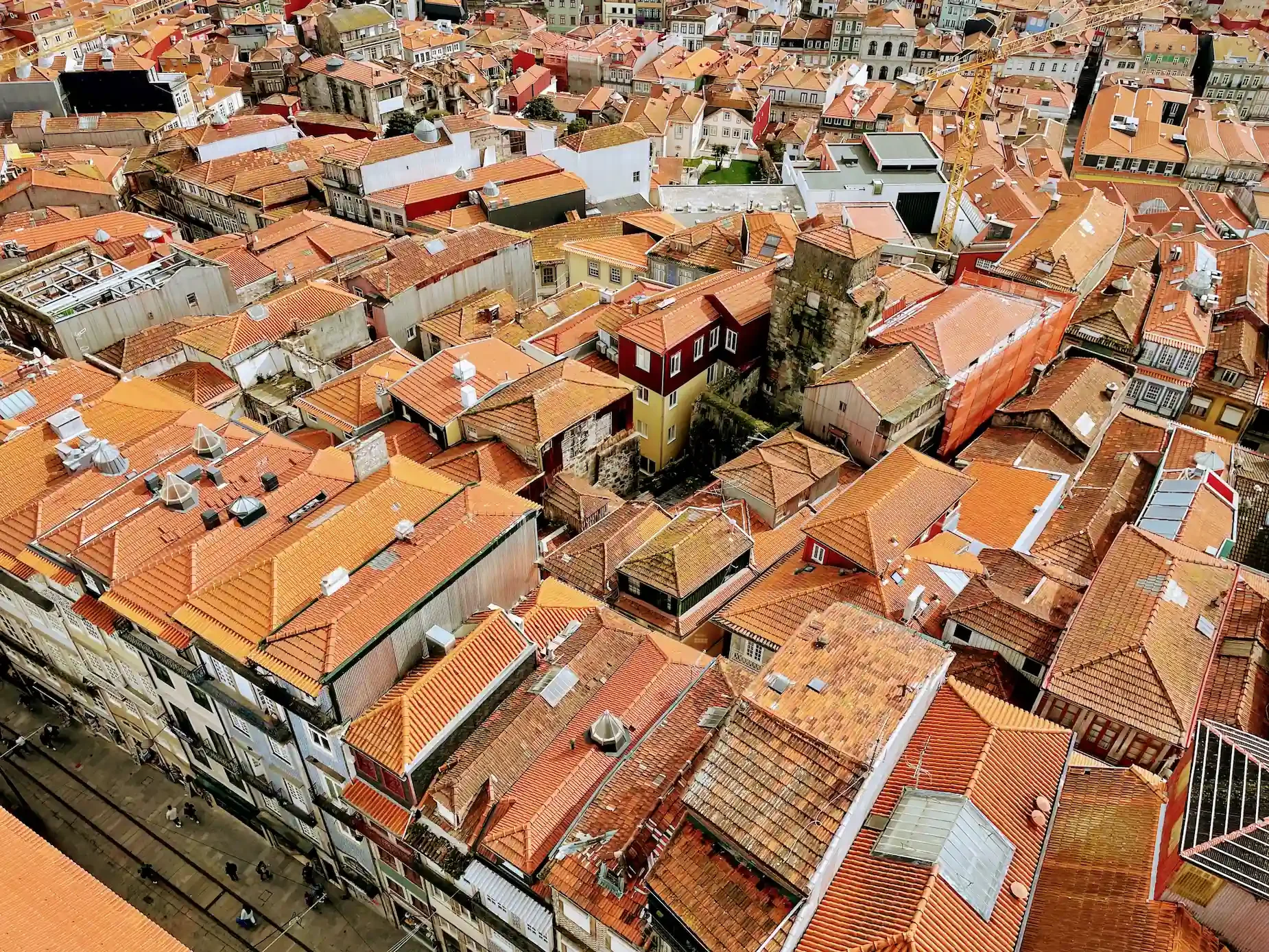
Located in the heart of Porto, the Torre dos Clérigos is one of the city’s most iconic landmarks, offering panoramic views from its 76-meter (249-foot) bell tower.
Dating back to the mid-1700s, this Baroque church is just as impressive on the inside as it is from above. Intricate interiors and a narrow, winding staircase make the climb feel like part of the experience—especially for those interested in art and architecture.
The ascent is moderately challenging, so a good pair of shoes is definitely recommended. The worn, often slick stone steps add a bit of adventure to the journey up.
Once at the top, you’re rewarded with sweeping views over Porto’s rooftops, riverbanks, and surrounding hills.
The tower sits just a few blocks north of the Douro River, in a lively and equally charming part of the city. This area is perfect for wandering, with plenty of shops, cafés, and open-air eateries tucked along its maze-like streets.
Between the hidden corners, small parks, and historic avenues, it’s easy to spend hours simply exploring at your own pace.
4. Douro River Cruise
Along the banks of Ribeira, you’ll find plenty of booths and kiosks offering river cruises throughout the day and into the evening.
Options range from more traditional, informative tours to relaxed happy hour-style “booze cruises.” Prices and durations vary, but a standard one-hour cruise typically costs around €25, depending on the company and package.
If you’re like us and prefer to keep things simple, the basic cruise is more than enough to enjoy the experience and take in the views.
Beyond the scenery, these tours are a great way to get your bearings in a new city. Having a guide explain the history and significance of what you’re seeing makes a huge difference.
5. Livraria Lello (The “Harry Potter” Bookstore)
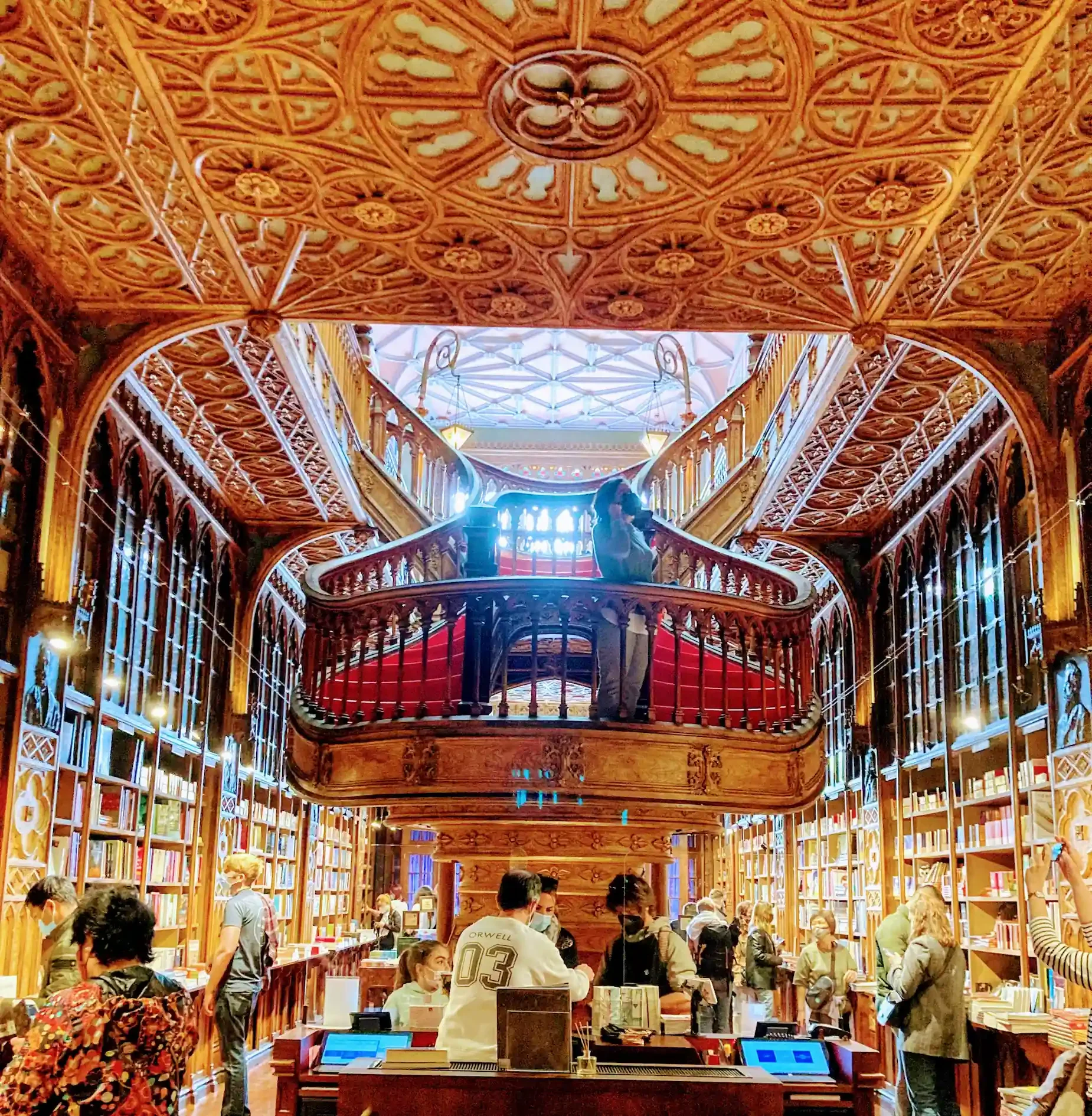
Located in the same neighborhood as the Clérigos Tower, Livraria Lello is one of the most famous bookstores in the world—and for good reason.
Built in a striking Gothic Revival style, the shop features multiple levels of ornate woodwork, sweeping staircases, and shelves lined with world-renowned literature. It’s easily one of the most visually stunning bookstores you’ll ever step into.
Often referred to as the “Harry Potter bookstore,” it’s commonly (and incorrectly) believed to have inspired parts of the series. While J.K. Rowling has since debunked this, she did spend time in Porto while writing the first book, even teaching nearby and frequenting spots like the Majestic Café.
Myth or not, the bookstore absolutely lives up to the hype in terms of its design and atmosphere.
Be advised, there is a €10 entry fee, which can be applied toward the purchase of a book inside. Even during the off-season, we waited about 20 minutes to get in.
Why Porto Is Northwest Europe’s Newest Hotspot
Ever-increasing in popularity, Porto is a vibrant city that perfectly blends old-world European charm with the energy of the 21st century.
You’ll hear street musicians covering American hits just steps away from centuries-old churches, while Catholic monks move quietly through markets and cafés near their monastery walls. It’s this contrast that gives Porto its unique character.
Even in the off-season, the mild climate and lively atmosphere make it an easy and rewarding destination. What started as a short stop quickly became one of our favorite experiences in all of Portugal.
Whether you’re planning an entirely new trip or trying to squeeze in one more destination on a packed itinerary, Porto proves itself to be as memorable as anywhere else in Europe.