Jeju UNESCO Sites Guide:
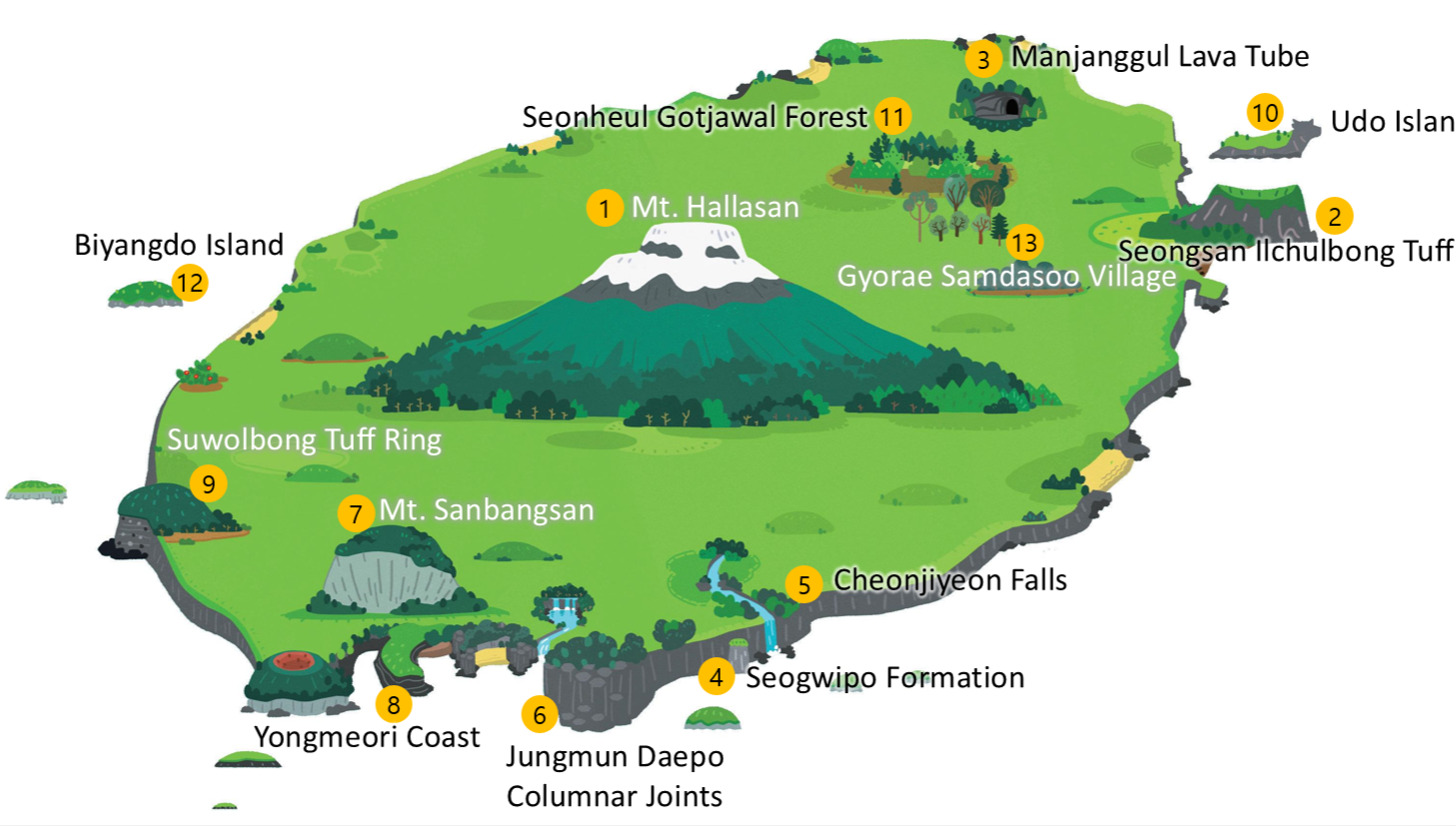
Hallasan, Sunrise Peak & Lava Tubes
A guide to exploring Jeju Island’s incredible UNESCO-listed natural wonders.
Jump To
Jeju Island is home to some of South Korea's most remarkable natural wonders and cultural treasures.
From Hallasan Mountain and Sunrise Peak to ancient lava tubes, Jeju's UNESCO-recognized sites showcase the island's unique volcanic landscape and rich history.
You'll also discover the legendary Haenyeo, Jeju's female free divers whose centuries-old traditions remain an important part of island culture.
In this guide, we'll explore the UNESCO sites and cultural heritage that make Jeju one of South Korea's most fascinating destinations.
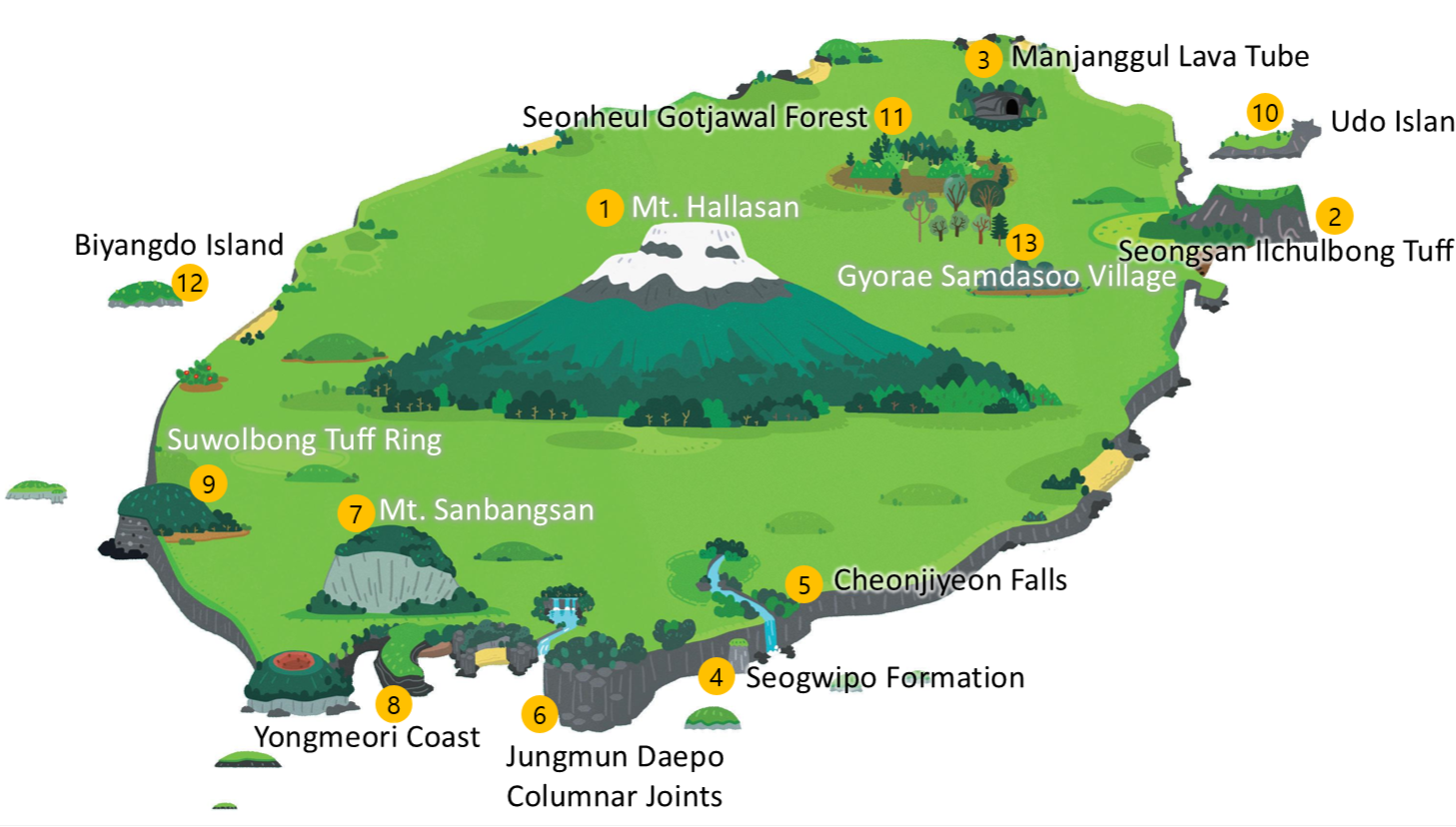
Jeju: 1 island, 4 UNESCO Sites
Many people have heard of Seoul and Busan, but Korea has a secret gem that is gaining popularity for its natural wonders.
Jeju Island is unlike any other, with unique geographical features and a rich heritage of matriarchy.
Bright blue waters meeting dark volcanic rock, leading to hills and eventually the tallest peak in Korea at the center of it all.
When I moved to Jeju Island in 2016, I moved there to teach English in a place described as the Hawaii of Korea.
Despite the beaches being my favorite element of Korean nature, the UNESCO distinction is offered to some other absolutely fabulous places…and people!
Let’s break down these honored places and people that have earned Jeju international accolades for its beauty, ecosystem, and culture.
Hallasan
Hallasan is the center of Jeju island and harbors Korea’s tallest peak.
“San”, meaning mountain, it is sometimes referred to as Halla Mountain.
It is considered a shield island, meaning a long slow flow of lava created the entire island over time, as opposed to an unforeseen eruption.
Hallasan slowly created what we know as Jeju Island, and its effects are evident—black sand beaches and hills formed by lava from long ago.
This is a site to be seen!
There is also a spiritual aspect to this site.
Legend has it that immortals would inhabit the crater at the peak of the mountain, among them the elusive white deer, which is what the crater, “Baengnokdam” translates to.
This crater is considered spiritual to some, but significant to all as it was formed from the last eruption.
Depending on the time of year, you can see purple flowers popping on the hillside en route to this unique UNESCO site.
For more breathtaking viewpoints, check out the stunning vistas waiting in Sintra.
Hiking Hallasan: A Guide
If you are a hiker you should most definitely see what the fuss is about. If you are not a hiker you can go to the Hallasan National Park that surrounds the mountain.
If Hiking - You have two options for trails. Seongpanak Trailhead and Gwaneumsa Trailhead.
Seongpanak is longer but less steep and less strenuous. I recommend it if you are looking for the easier of the hikes with more forested area.
Gwaneumsa - is shorter but is said to take a bit longer with both routes taking about 7-10 hours. This route is recommended if you want less crowds and a greater variety of scenery like mountains and coastal views throughout. Hiking poles are recommended as you ascend up this UNESCO heritage site.
Also note that there is an online reservation system and as you can imagine Fridays - Sunday book up the quickest! Book in advance and you will be happy you did.
Sunrise Peak (Seongsan Ilchulbong)
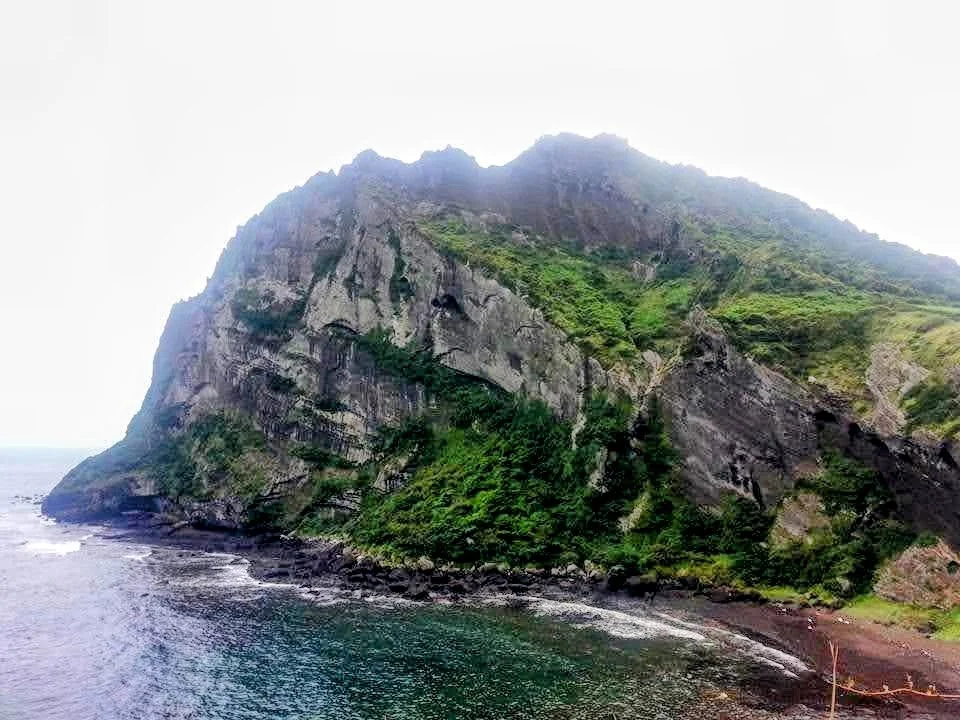
A natural wonder, created through the magic that is mother nature, forming a large crater that juts out into the sea, when magma met shallow water long ago.
It is an incredible organic fortress. In fact, the translation of its Korean name is "Fortress Mountain”.
The Japanese found it useful during WWII for the same reason.
Now it is famed for its view of the sunrise and unique geographical features.
As you can imagine, many people want to visit for its namesake, but that isn’t necessary.
When my family came to visit me, we hiked up late in the morning.
The ascent only took 20–30 minutes, and the path was well-maintained.
It was a beautiful view from the top of the peak overlooking the sea, and there are more places to walk around near the UNESCO site to keep exploring.
Also, while you are on that side of the island, you can check on the Geomunoreum Lava Tube System.
Geomunoreum Lava Tube System
Let me start by saying this was really impressive! These lava tubes are massive!
You can feel the temperature going down as you descend into the cave, ergo bring a jacket!
I was so surprised how many people were able to walk through the site.
Not only that, but it’s one of the most well-preserved lava tubes in the world, which is why it is also used for research.
As mentioned previously, this is near Sunrise Peak and on the eastern side of the island.
After a hike in the sun, go take a stroll in the cool Manjanggul Cave.
And because it’s Jeju, there are some jaw-dropping blue beaches not far.
I really like Woljeongri Beach! I even camped there once, and waking up to the seaview was incredible.
There are so many things on that side of the island, including the much smaller island of Udo or the Haenyeo Museum!
How to Get There
As far as getting to this site, you can take the bus, however you will have to walk about 30 minutes from the bus stop to the entrance.
When I lived in Jeju I took the bus everywhere, however on this one occasion I went with the bus driver at my school, so he graciously drove my family and I.
If I were to go back I would definitely just take the bus and walk, because 30 minutes isn’t so bad.
However, if you want to make the most of your time and can rent a car, you will cover more ground.
Unfortunately the main access point to the Manjanggul Cave is currently closed, but the official website states they will re-open in March of 2026.
Haenyeo
Haenyeo are so significant to the culture and history of Jeju that they are considered a UNESCO designation.
Who are they? They are a 100% female dominated group of free diving fisherwomen!
This practice of fishing started hundreds of years ago and continues to this day.
These women have evolved over time in their methods, but Jeju haenyeo collect seafood without any oxygen tanks.
Through deep dives, frigid waters, and severe on-the-job hazards, women would train their daughters, and then they would train their daughters.
Men would stay on dry land and contribute to the household through farming or chores, making their wives the primary breadwinners.
If cultural experiences are your favorite part of travel, you'll love Dublin's EPIC Museum, featured in our guide to the city's best things to do.
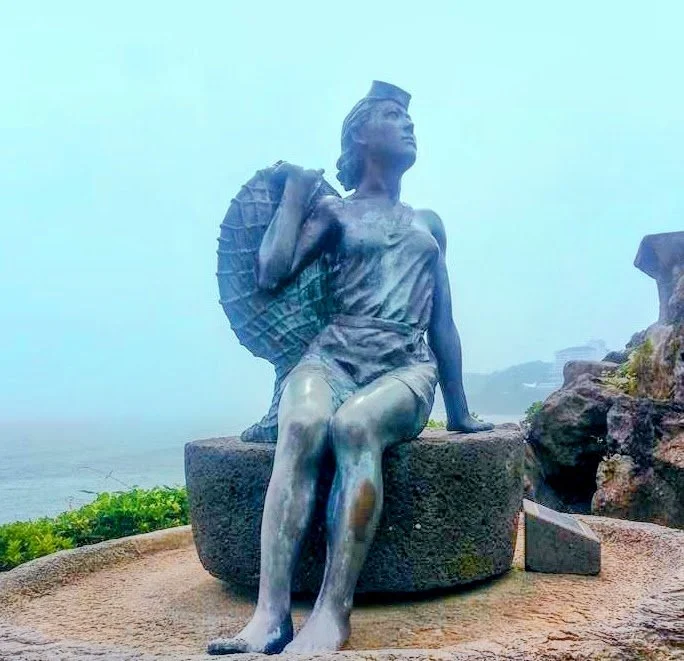
Modern Sea-Woman
However, nowadays women have entered the more modern workforce, leaving the population of these resilient women dwindling.
To gain a deeper understanding, I recommend reading “Island of the Sea Women” by Lisa See.
It’s fiction, but it’s well researched and felt true to the history.
Keep in mind, these women started as humble divers, trying to support their families, and have gained celebrity status in the last few decades.
You may see them in the ocean doing their work or walking back with their catch for the day.
Don’t hassle them—simply enjoy seeing a UNESCO cultural heritage in front of you!
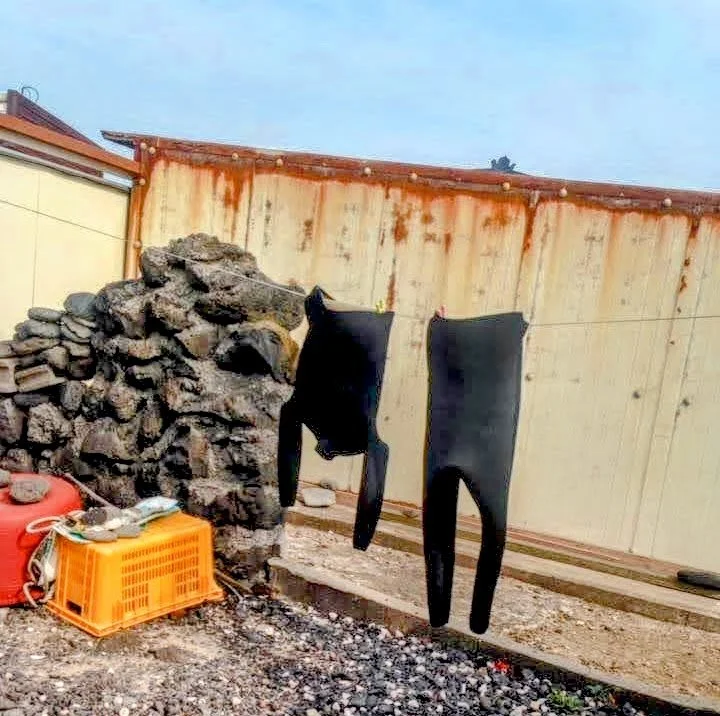
Live Haenyeo Demonstrations
If you are utterly fascinated with these Haenyeo, you can attend demonstrations.
When I lived there my co-worker went to a Haenyeo class and said it was a fun way to experience haenyeo life in a respectful way.
Demonstrations for tourists are located near Sunrise Peak, and many dive at lesser known beaches like Hado, where they can be spotted by their large orange floating devices bobbing in the water.
You can also find restaurants that serve food fresh from the haenyeo’s fresh catch!
Ojo Haenyeo House is one, and another option is the Haenyeo Kitchen.
This is an immersive experience that includes talks from wise Haenyeo and a new generation of artists and chefs that create a meal and a show!
It is difficult to find on Google Maps (it’s written in Korean), so I have included a link to their website:
https://haenyeokitchen.com/
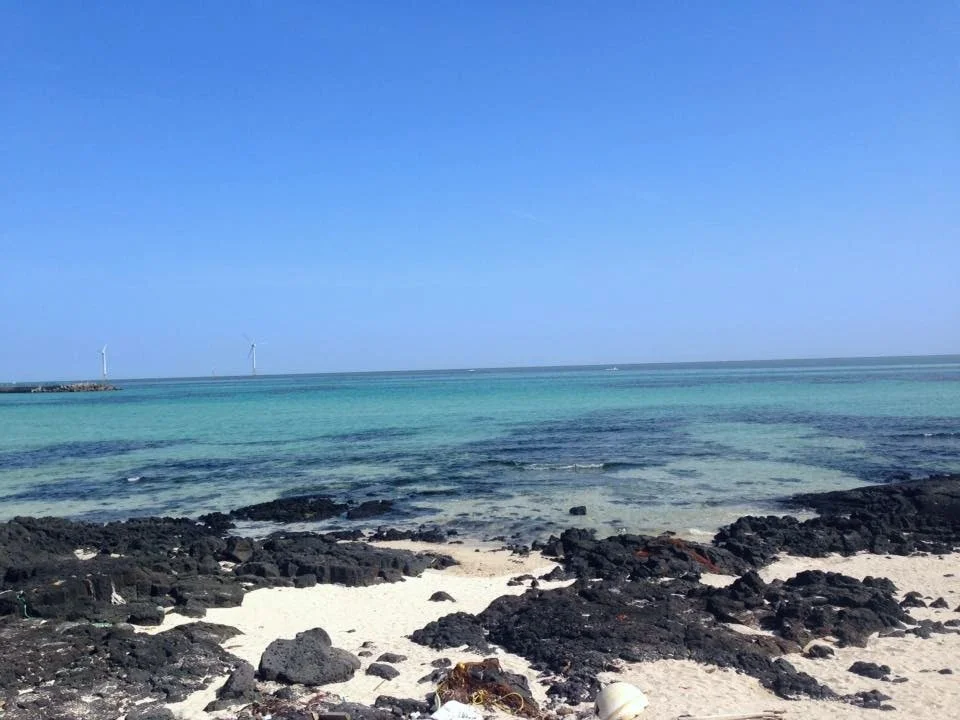
Jeju: The Jewel of Korea
Koreans are eager to keep the heritage alive and are accepting applications for the job of Haenyeo!
Be warned, on the job training is rigorous but includes fresh seafood.
Those are the UNESCO sites (and people) that make Jeju so treasured among Koreans and travelers from all over.
The crazy part is that there are actually so many more places to experience nature and culture in Jeju but this is just the beginning.
Stay tuned for articles on the beaches of Jeju as well as what food to eat while in Korea to take advantage of your precious time on this magical island.