3 Days in Dublin Itinerary:
The Perfect First-Time Visit
See the best of Dublin in three days, from iconic landmarks and historic pubs to lively neighborhoods and easy-to-miss local gems.
Jump To
If it's your first time in Dublin, three days is the perfect amount of time to experience the city's fascinating history, lively pub culture, beautiful parks, and iconic landmarks.
This 3 days in Dublin itinerary covers all of the must-see attractions while leaving enough flexibility to slow down and enjoy the atmosphere that makes Ireland's capital so memorable.
How to Get Around Dublin
For about €10, the Dublin Express or Aircoach will get you from the airport to the city center in about 20–30 minutes. A taxi is around €30 and can take as little as half that time.
Once downtown, Dublin is incredibly walkable, though Uber will always be available if you're fatigued from a day of wandering. The LUAS Tram is a great way to reach neighborhoods outside the main tourist centers, while the DART train is perfect for day trips to small towns north and south of the capital.

Day 1: Dublin's Must-See Highlights
Trinity College & Book of Kells
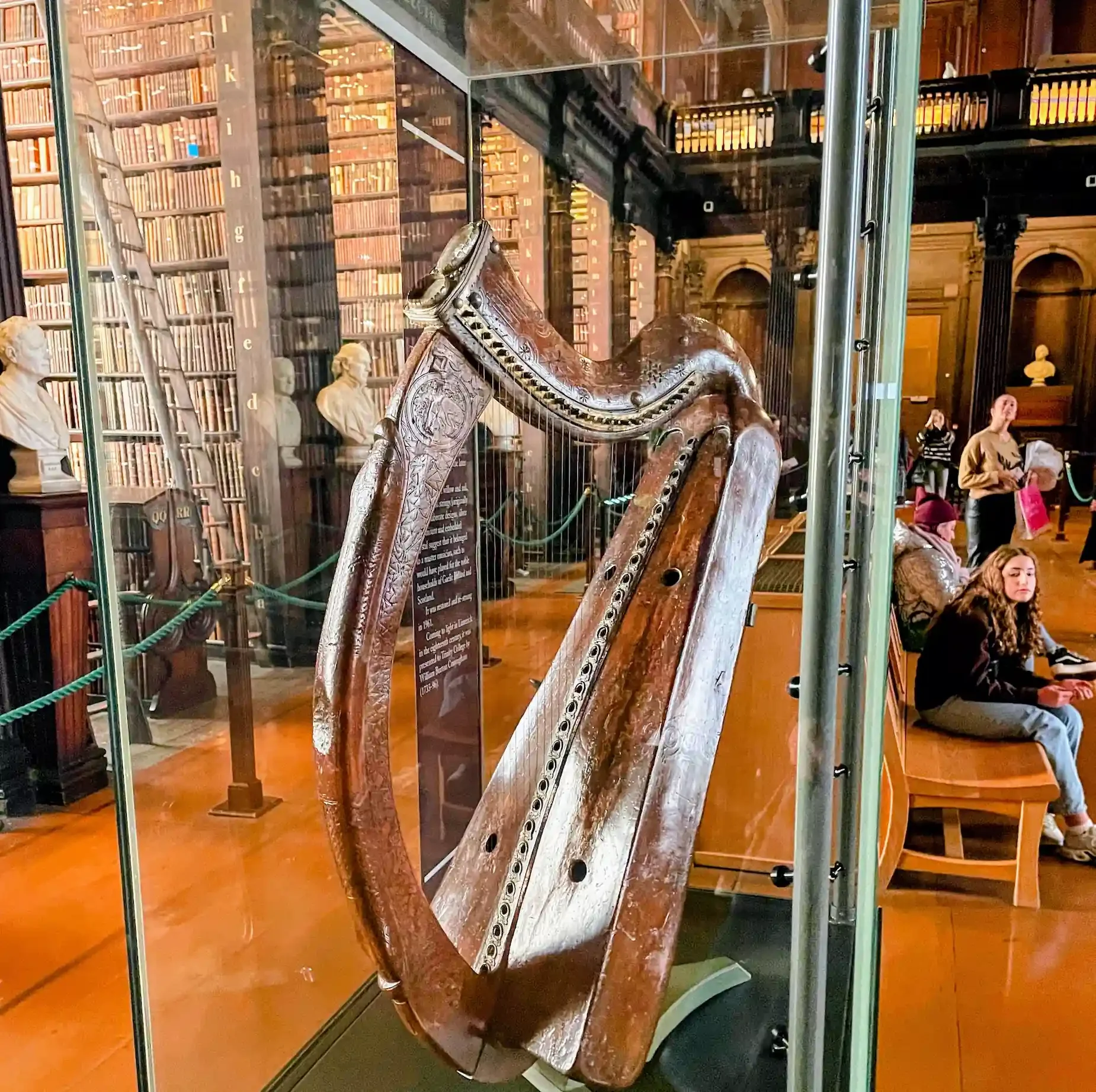
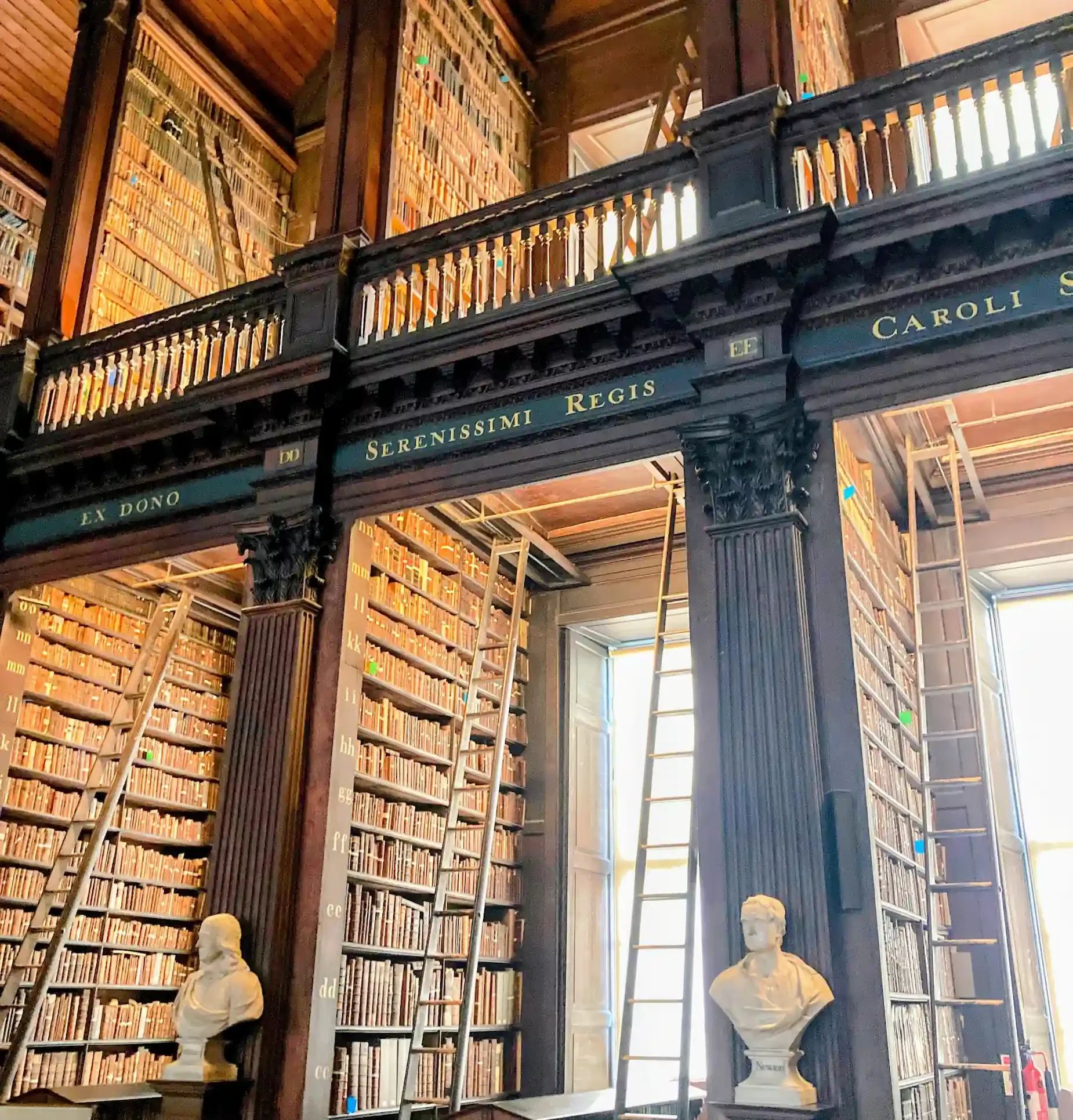
Trinity College & Book of Kells is an excellent activity located right in the heart of Dublin near the main tourist centers. Tickets to see the Book of Kells and the famed Long Room cost about €25. Dating from the 9th century, the book is a beautifully illuminated manuscript that contains one of the earliest copies of the Four Gospels of the Bible.
It's an impressive room, and if you're a nerd like us, a remarkable piece of history to see.
2. Dublin Castle
Dublin Castle was originally constructed in the 13th century on the original Irish settlement that became Dublin. Converted into the main government complex after independence in 1922, the grand building today serves as both a practical administrative center and one of Dublin's most popular tourist attractions.
Beautiful gardens and various architectural styles, from Gothic to Victorian, make Dublin Castle one of the most eclectic and enjoyable sites in all of Ireland. Tickets cost around €10, while children under 12 can enter for free.
3. Temple Bar
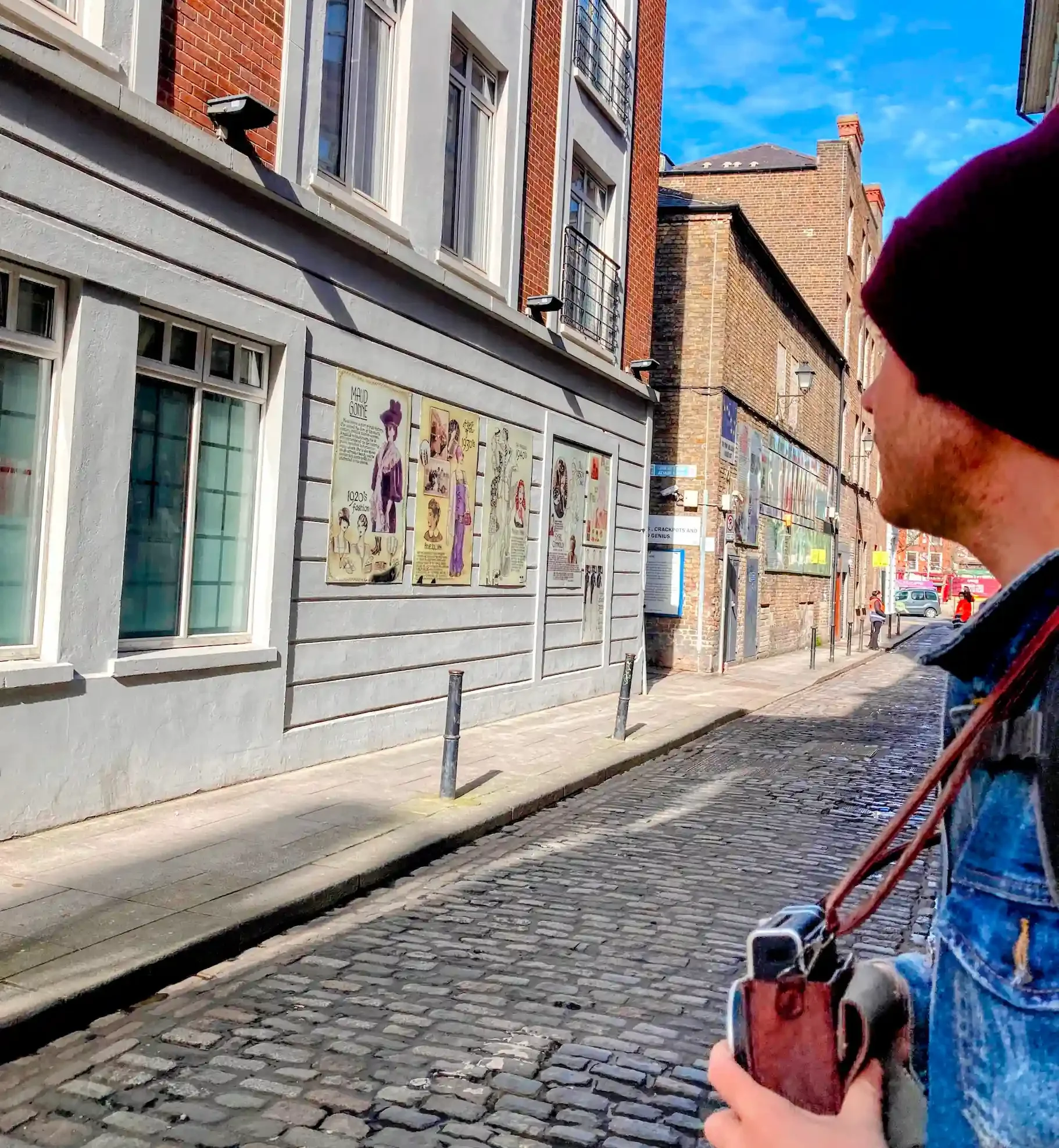
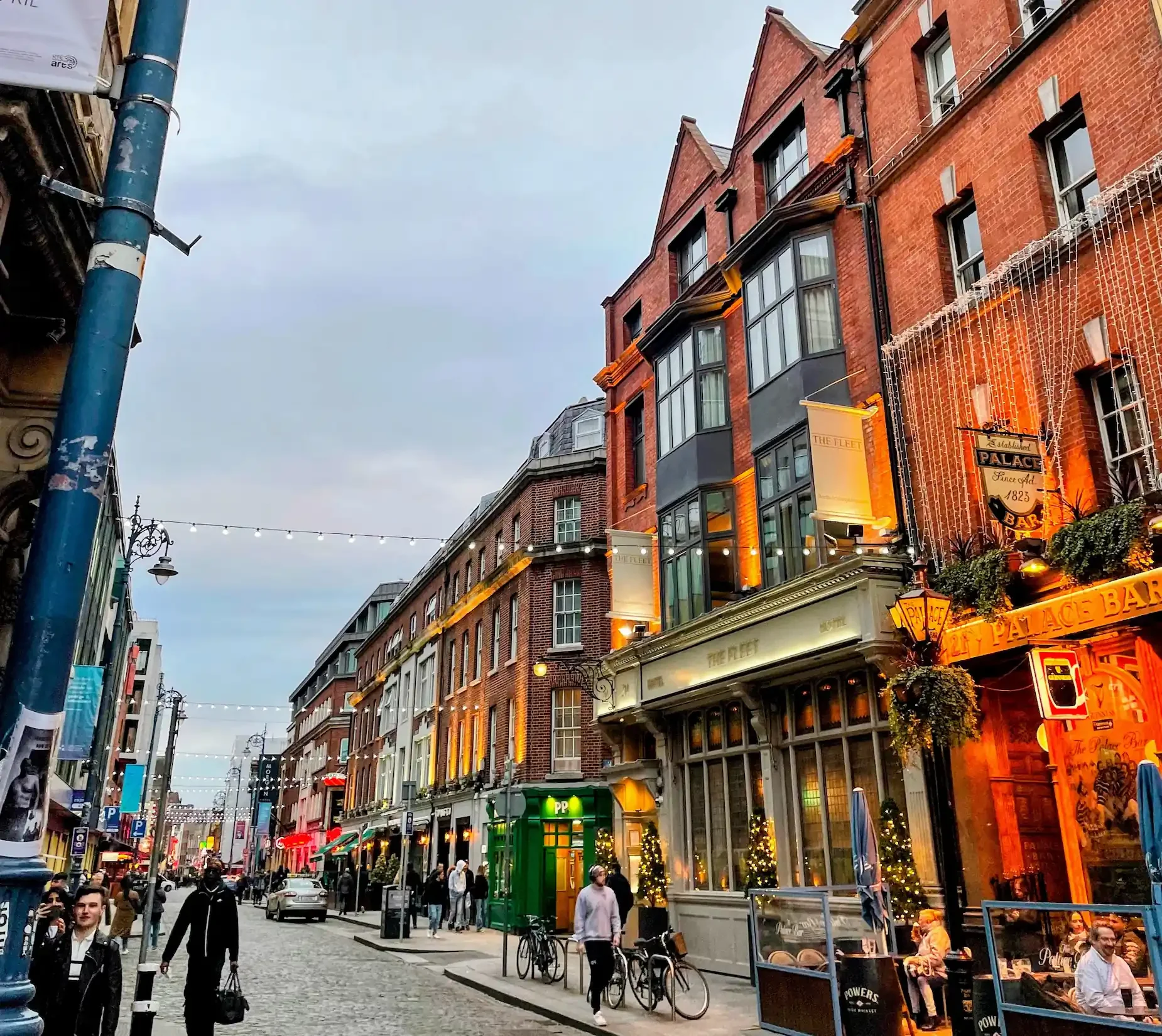
Temple Bar is Dublin's most famous neighborhood, known for its lively pubs, colorful streets, and nightly traditional Irish music. While prices tend to be higher than elsewhere in the city, the atmosphere is worth experiencing at least once.
Even if you only stop in for a single pint, strolling the cobblestone lanes and soaking up the energy is an essential part of any Dublin itinerary.
Day 2: Historic Dublin
1. Guinness Storehouse
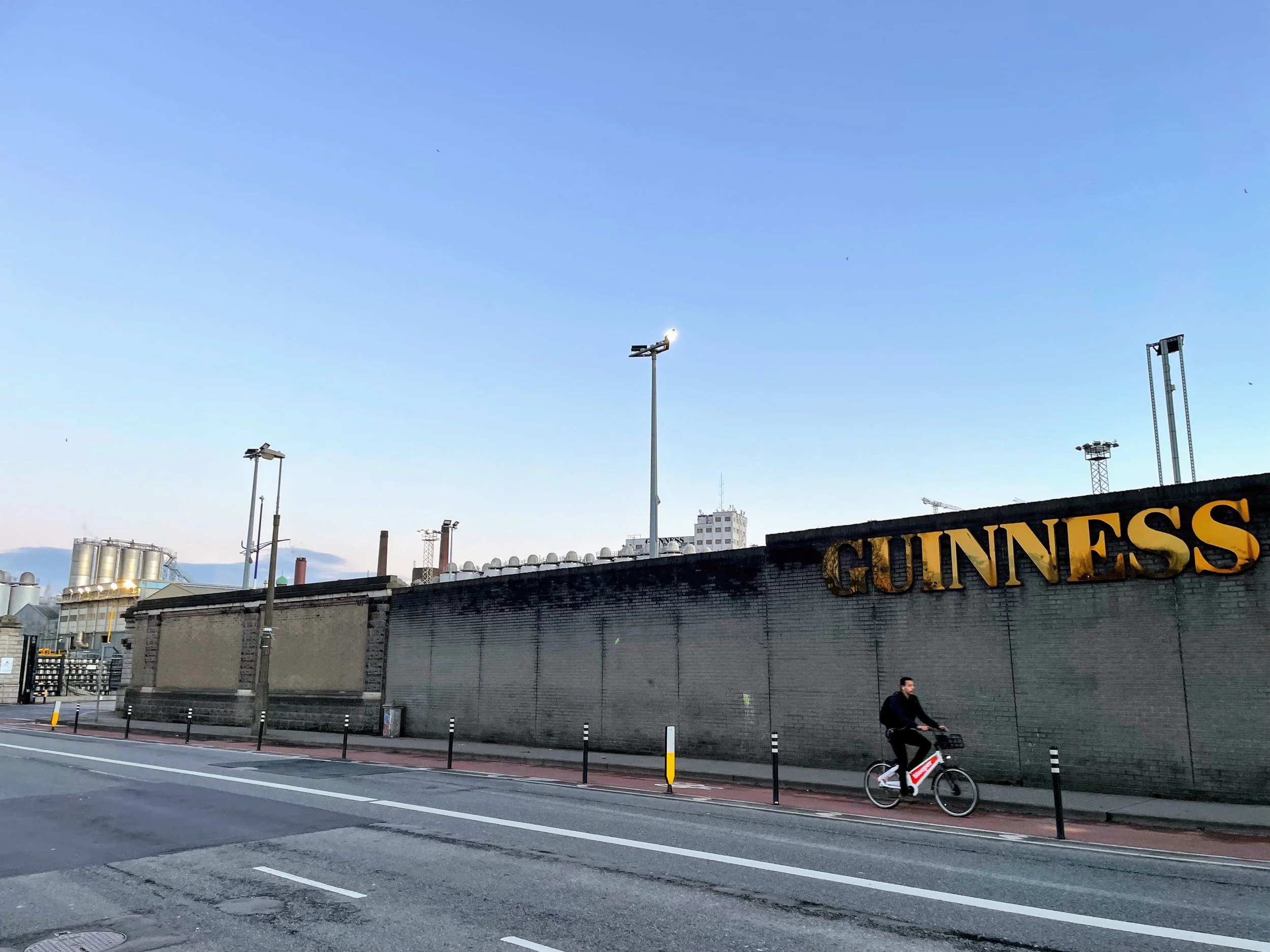
Guinness Storehouse is right down the road from the main tourist areas of Dublin and is the city's most visited attraction. For about €35, visitors can tour the famed brewery dating all the way back to 1759 in about two hours.
The tour ends with a complimentary pint that can be enjoyed at the 150-foot-high Gravity Bar located within the facility. A brisk 20-minute walk back along the River Liffey will bring you to the blocks around Temple Bar just in time for happy hour—which, in Dublin, is every hour.
2. Kilmainham Gaol
Located just beyond the city center is Kilmainham Gaol, the notorious prison that housed Irish patriots during Ireland's struggle for independence. About a 40-minute walk, or a 15-minute taxi ride, from Temple Bar, guided tours are offered daily for those wanting to learn more about this pivotal chapter in Irish history.
3. St. Patrick's Cathedral
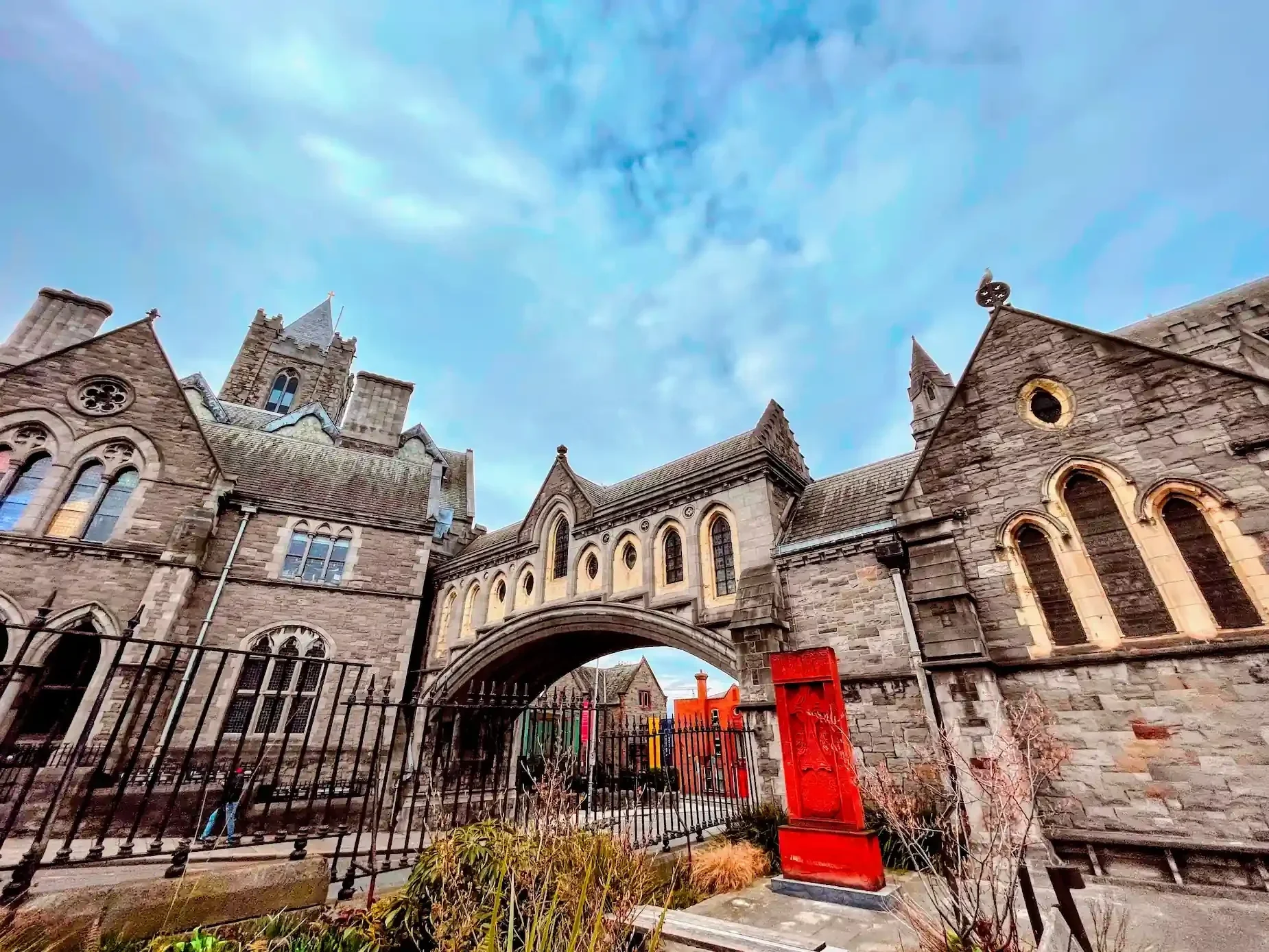
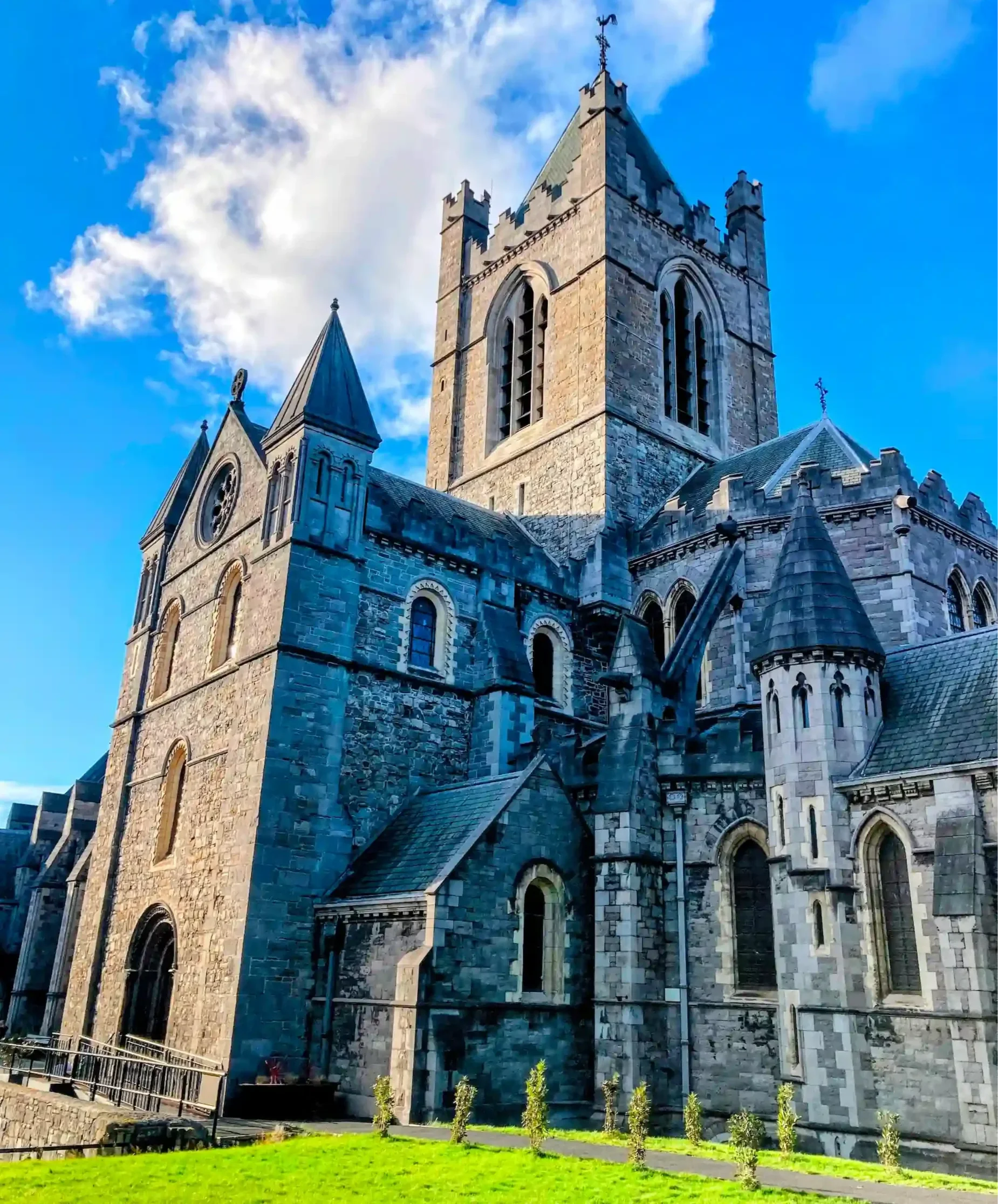
St. Patrick's Cathedral is Ireland's largest cathedral and one of Dublin's most important historical landmarks. Built in the 13th century near the site where St. Patrick is believed to have baptized early Christian converts, the Gothic church is home to beautiful stained-glass windows, centuries-old monuments, and the tomb of Jonathan Swift, author of Gulliver's Travels.
Even if you're not particularly interested in churches, it's well worth a visit for its history and impressive architecture.
Day 3: Parks & Local Dublin
1. Phoenix Park
The massive Phoenix Park is located just west of Dublin's city center, though the trek is well worth it. One of the largest green spaces in Europe, it is home to the Dublin Zoo, as well as a herd of wild Irish deer that have graced the park for hundreds of years.
An ideal retreat for those wishing to escape the hustle and bustle of the city, I found it a great place to explore before making my way back up the River Liffey to the tourist hubs of the capital.
2. River Liffey
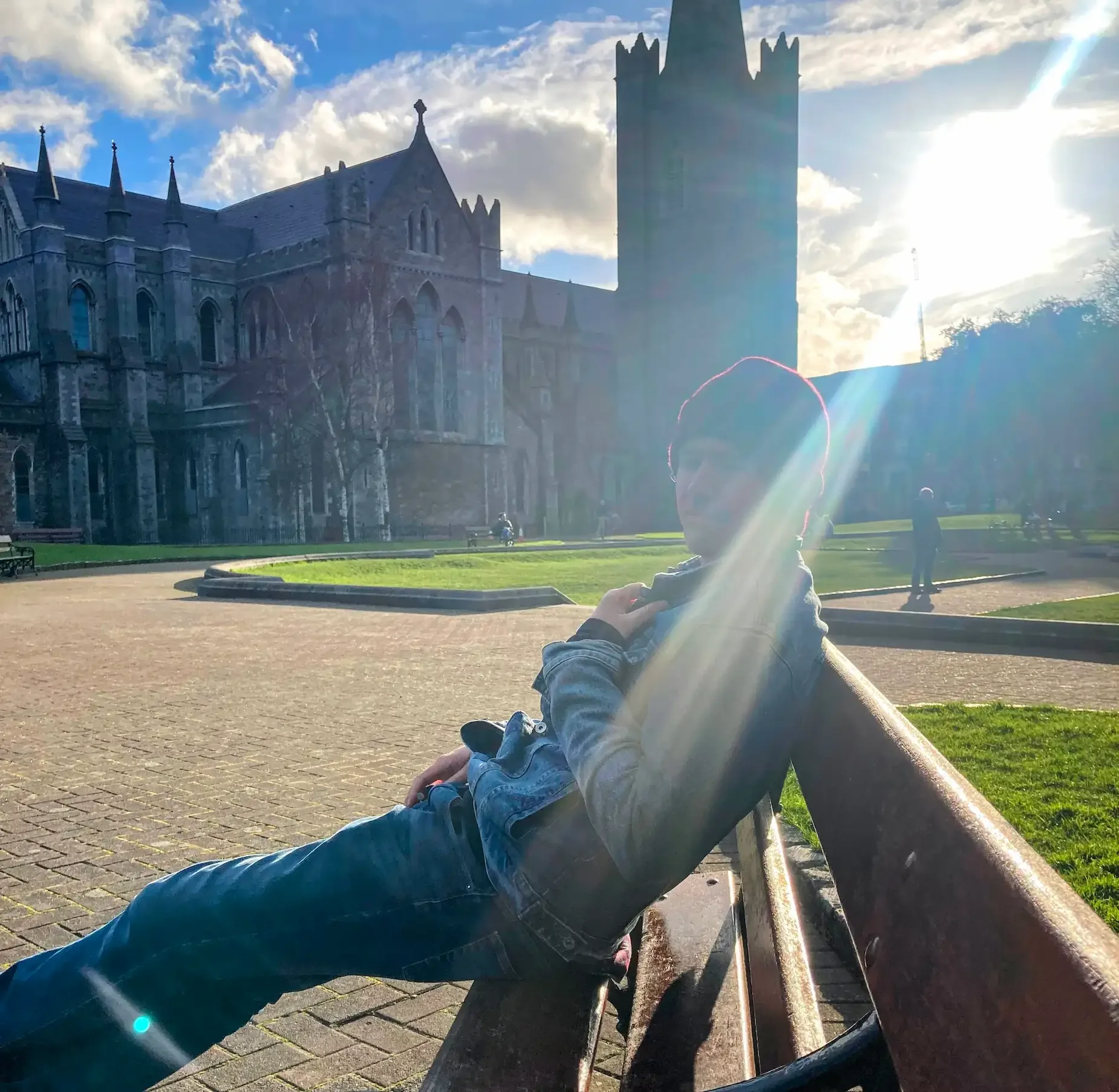
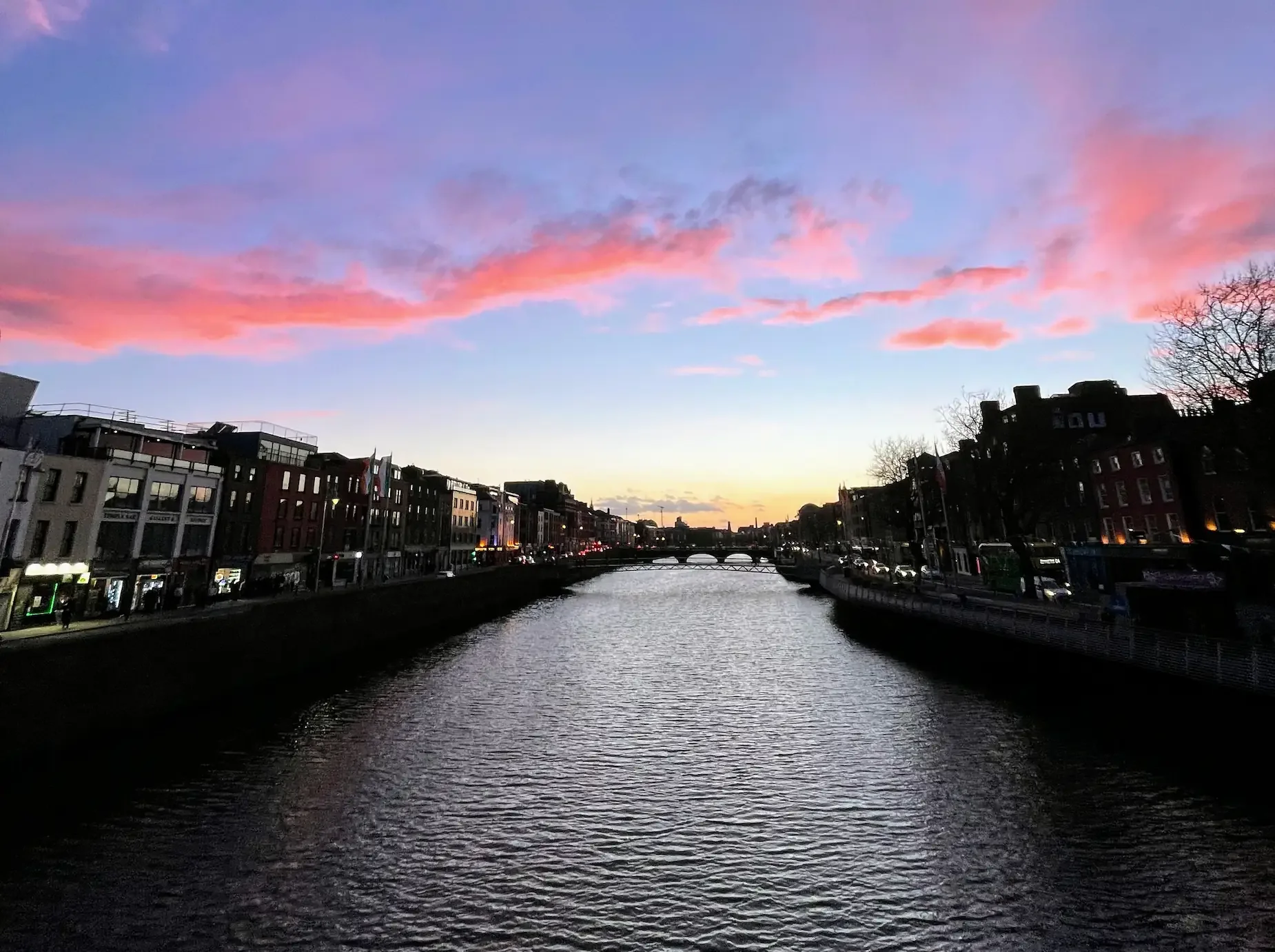
The River Liffey cuts Dublin in two and is lined with numerous beautiful bridges along both of its banks. The Ha'penny Bridge is central to the city's most popular neighborhoods and is an excellent vantage point to snap some cityscapes, particularly at sunset.
3. Saint Stephen's Green
St. Stephen's Green is a sprawling Victorian-era park located right in the heart of Dublin. Home to many historical sites and monuments from events such as the 1916 Easter Rising, the beautiful gardens and walkways make for pleasant strolling before hitting the shops on Grafton Street, one of the city's most popular retail districts.
Plenty of pubs and eateries are also prolific in the area and are about as authentically Irish as they come.

Best Things to Eat & Drink in Dublin
An Irish breakfast, however scary it may look, should be on your Dublin bucket list. A cornerstone cuisine of the Emerald Isle, the only intimidating item in the dish—the notorious blood pudding—is really quite delightful. Even the pickiest eaters will enjoy the fresh eggs, grilled tomato, and sliced bacon.
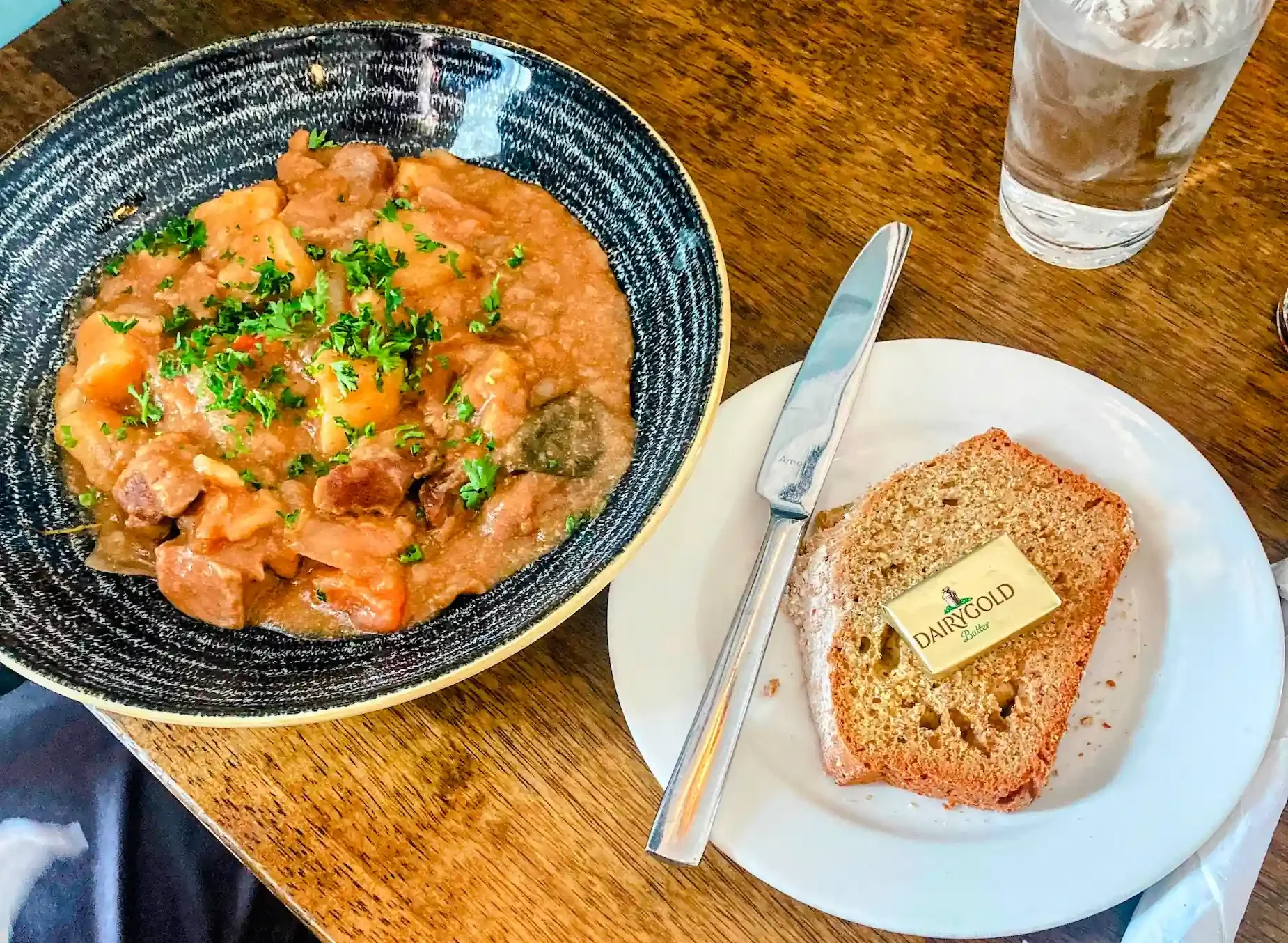
Irish stew, another local classic perfect on chilly days, is offered at almost every pub and restaurant in the city center.
Though more closely associated with Irish-American cuisine than Ireland itself, corned beef and cabbage, my all-time favorite, has proven to be a reliable entrée for those unfamiliar with Irish fare. The boiled potatoes, crisp greens, and mild-flavored meat are pleasing to almost any palate.
Bangers and mash, or sausage and potatoes, is my trusted backup, while Shepherd's Pie is Hannah's go-to dish. Fish and chips, though English in origin, are also available in most establishments.
Where to Stay in Dublin
If you can, just stay near Temple Bar or Grafton Street. If you're like us, you may feel the need to stay a few blocks away from the busiest streets in any city.
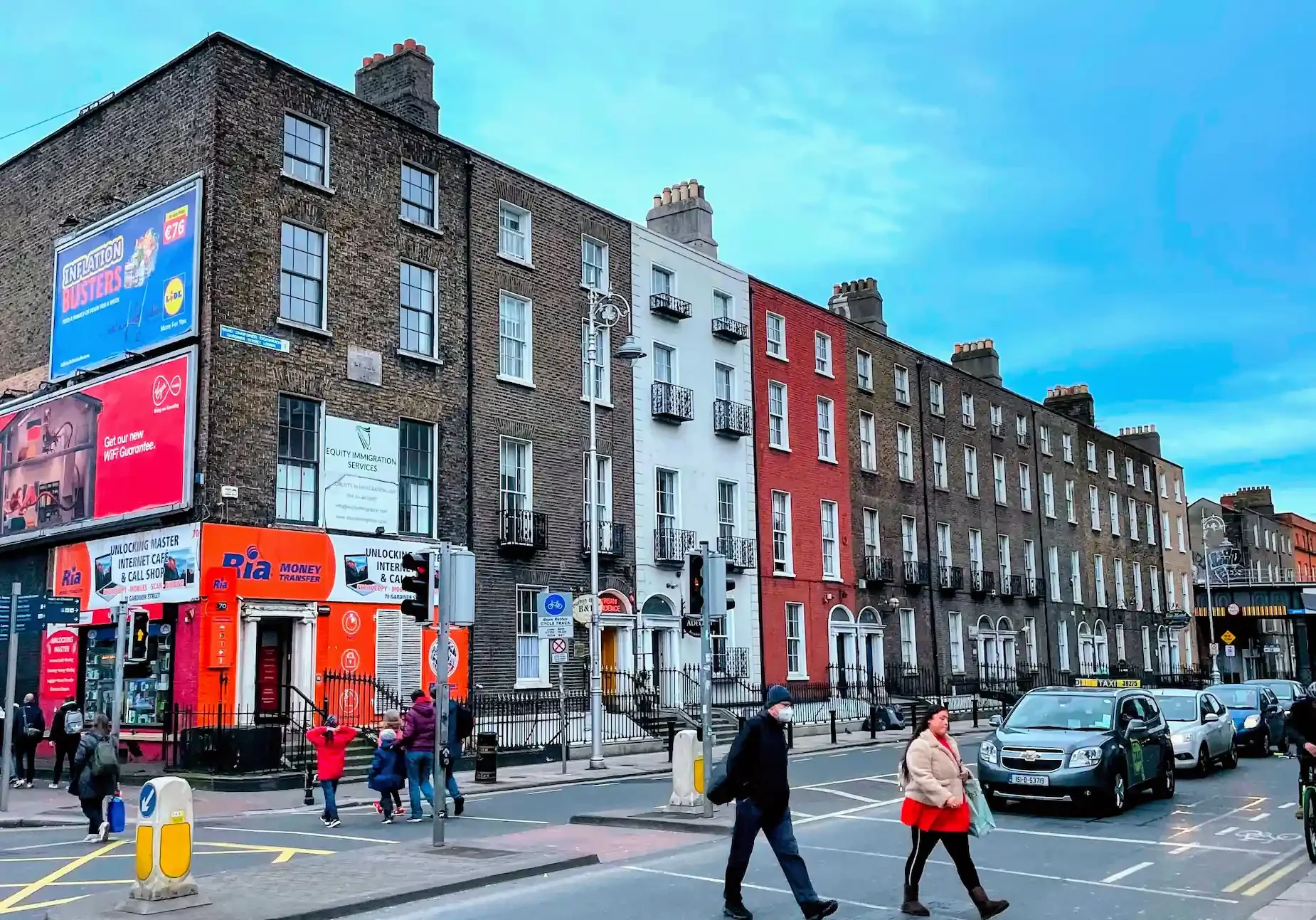
True in Dublin as in every other capital, we stayed about three streets away from the famed district on the south side of the River Liffey. As long as you stay within a few blocks of the river, you'll be in a great central location that is perfect for exploring all parts of town.
Dublin Travel Tips Before You Go
If you're coming from Northern Ireland (or England), be ready to change your pounds for euros. As with most places in Europe, it's always nice to have a little cash on hand for places that might not accept cards, although tap-to-pay is accepted almost everywhere in Dublin.
Be sure to throw an umbrella or raincoat in your suitcase for those dreary, drizzly days. Even warm, sunny weather can turn chilly quickly in this climate, so an extra sweater is ideal.
Make sure your shoes have good traction and, if possible, are waterproof. Wet shoes make for cold feet, which make for miserable days.

Final Thoughts: Is 3 Days Enough for Dublin?
Absolutely. Three days in Dublin gives you enough time to experience the city's biggest attractions without feeling rushed. You'll have time to dive into its history, enjoy its famous pubs, stroll through its parks, and discover why so many travelers fall in love with Ireland's capital.
If you're planning to visit places like Galway, the Cliffs of Moher, or Northern Ireland, consider adding a few extra days to your trip. But for a first-time Dublin itinerary, three days is just about perfect.